The Spark
Group 7 arrived with pure textile craft — hand-crocheted swatches — and a question from the other side of the shop: could the fabric itself become an instrument? Connecting hand craft to physical computing is exactly the gap the FRS exists to bridge.
In Process
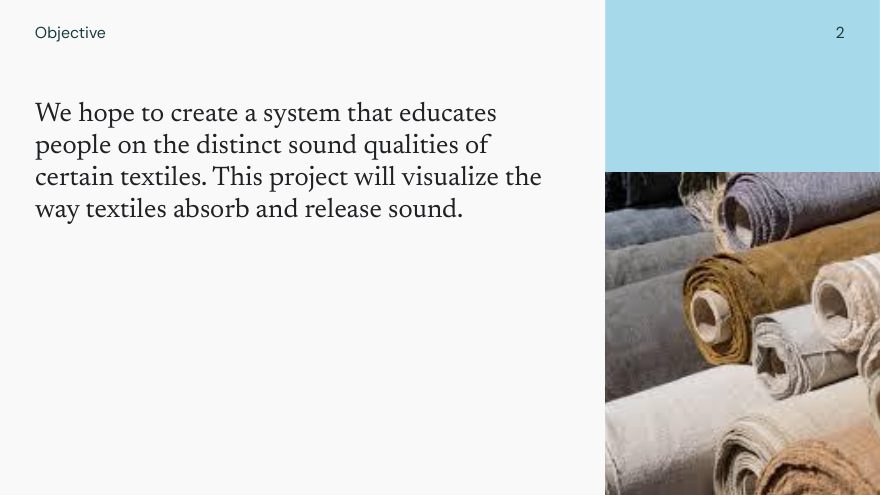
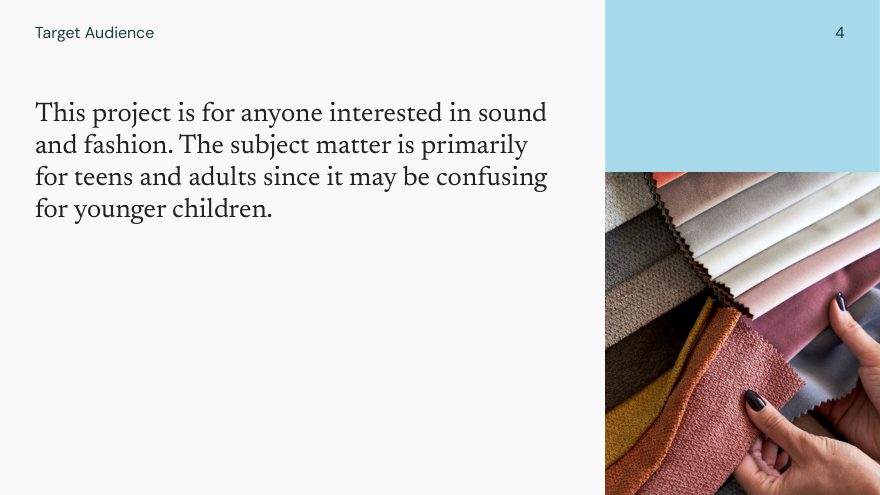
The group crocheted swatches in cotton, wool and polyester, each laced with stainless conductive thread — three fibers that absorb and release sound differently, so the material comparison is itself the lesson.
The Craft
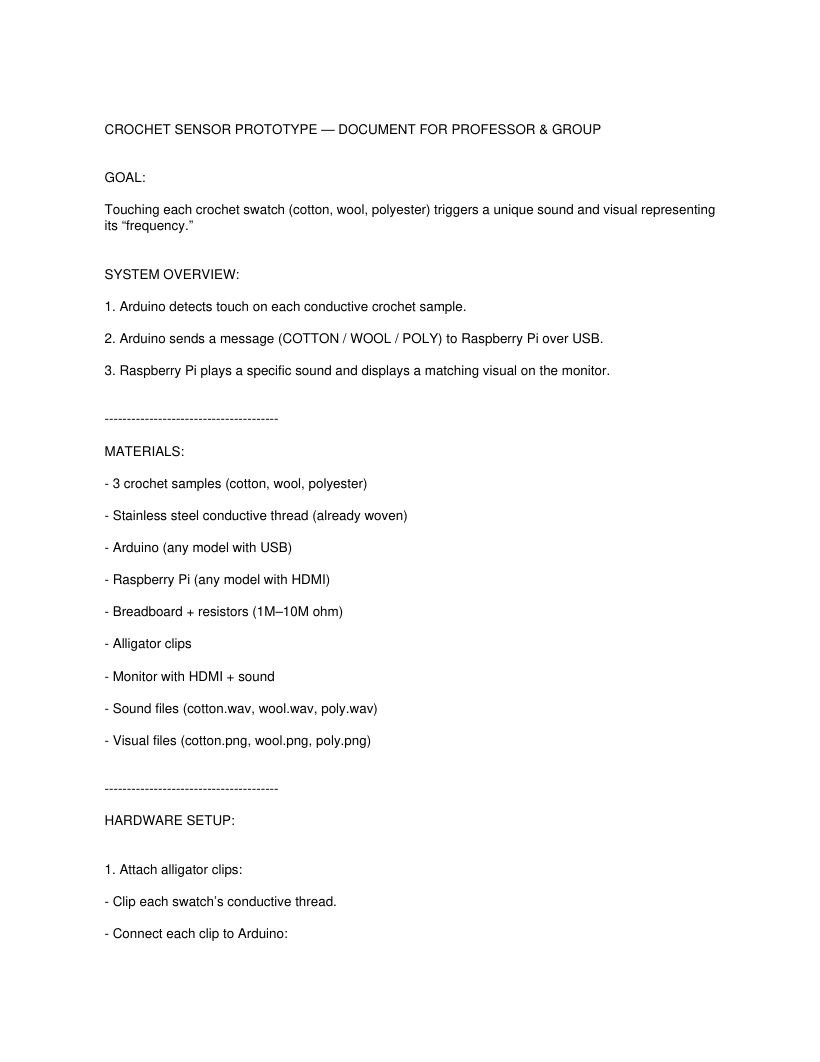
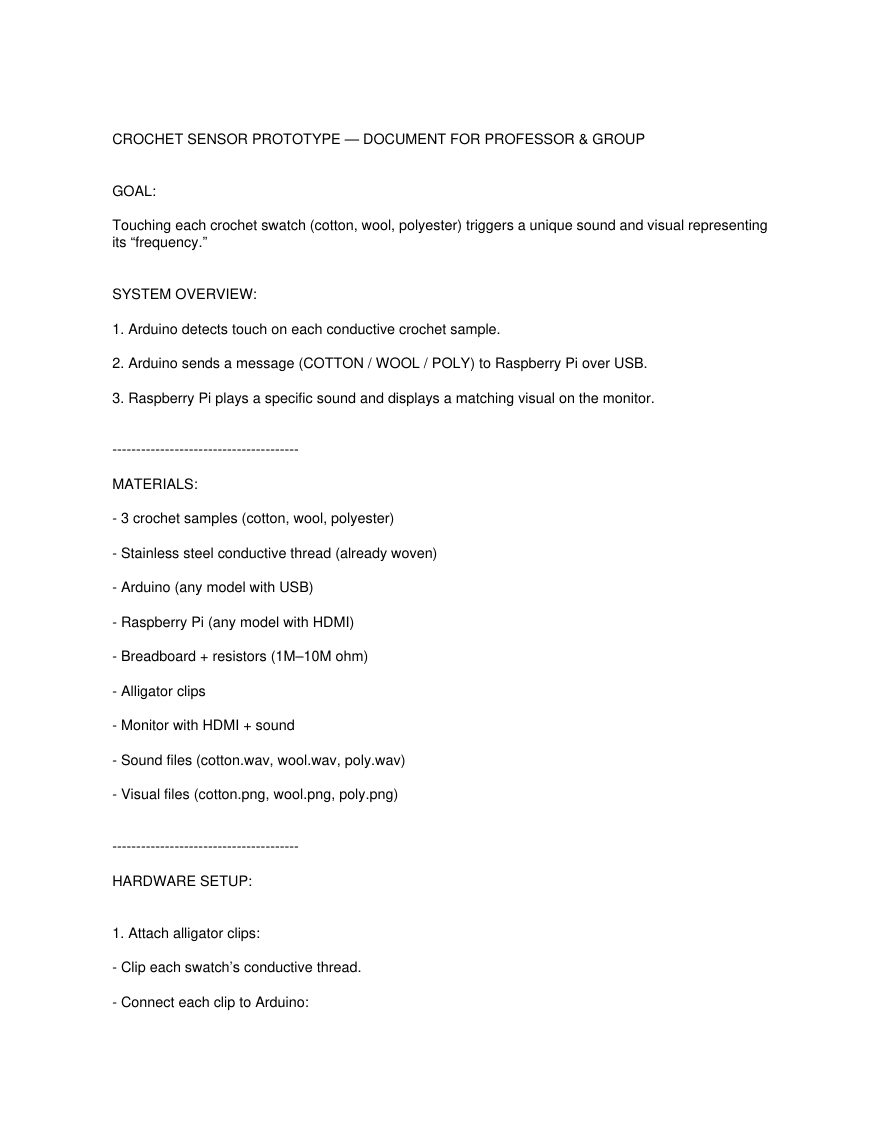
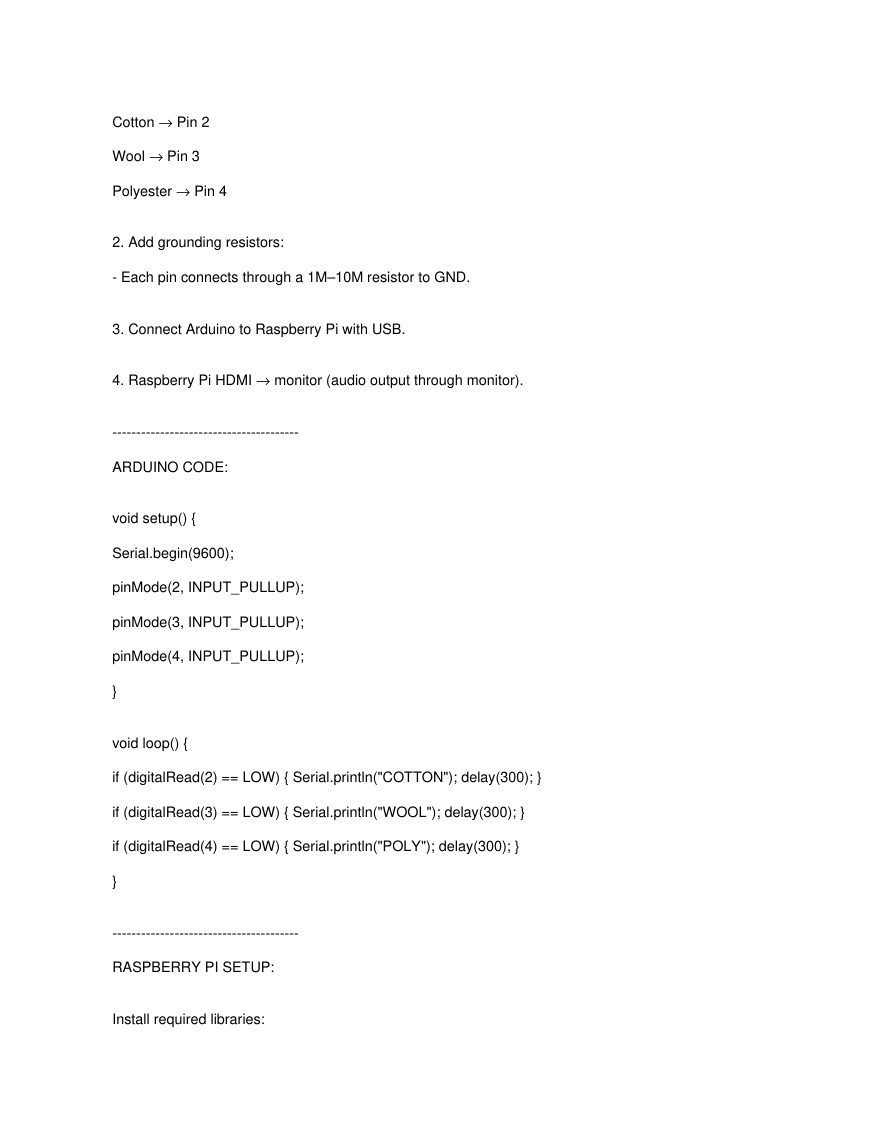
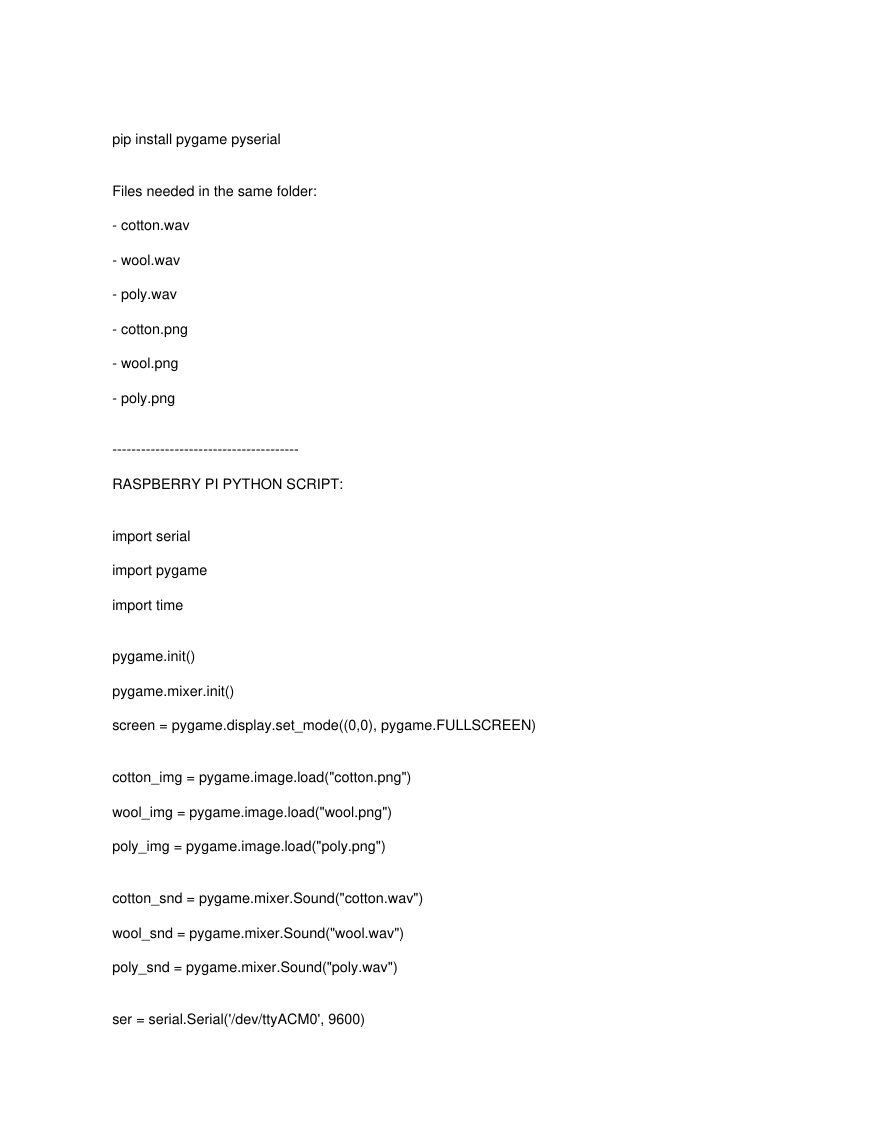
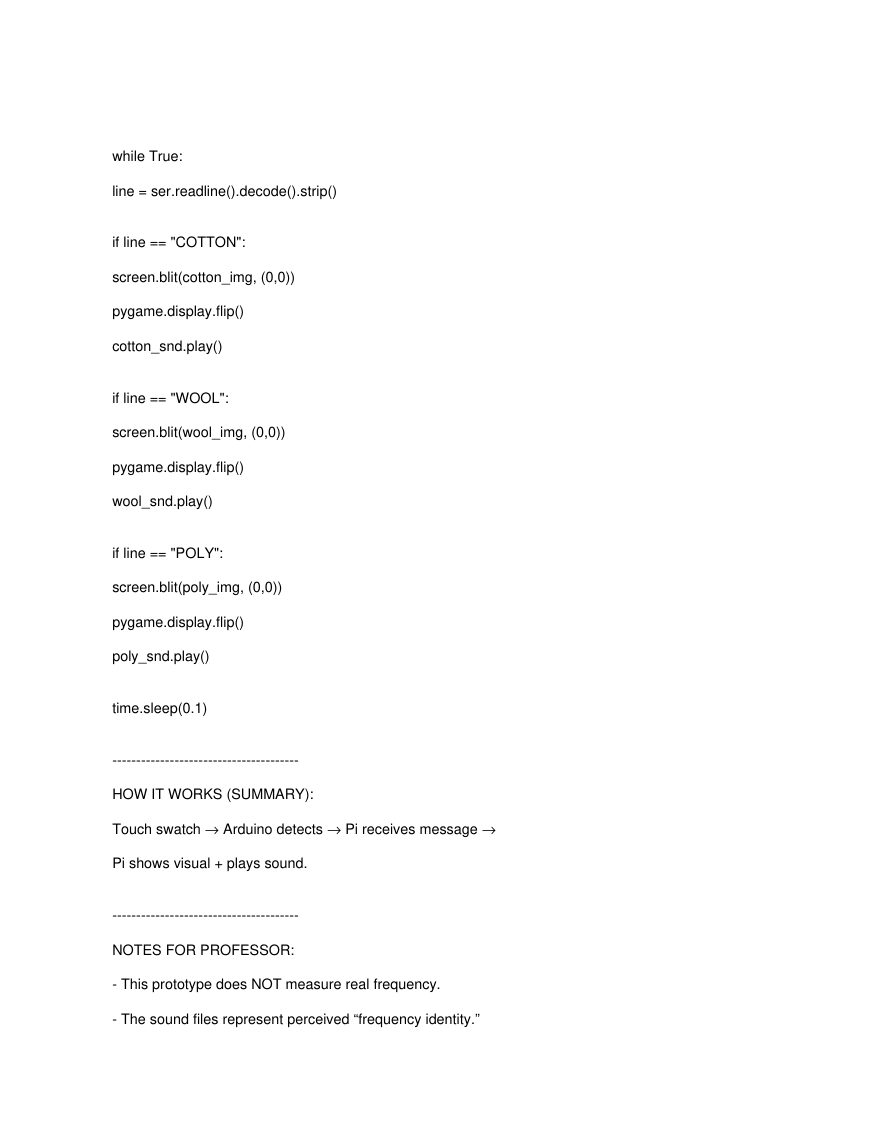
AI authored the entire build layer — system overview, wiring diagram, and the complete Arduino and Raspberry Pi code, with pygame handling playback — so the makers never had to leave the textile work to learn embedded programming.
Outcome
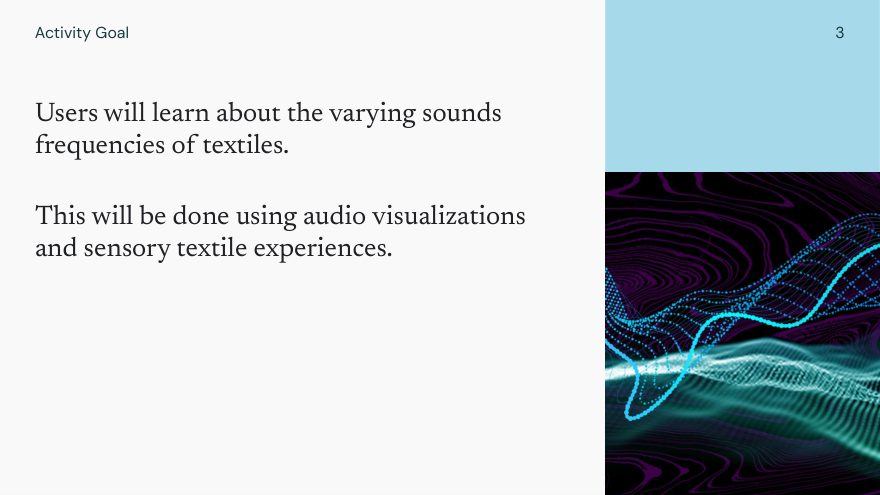
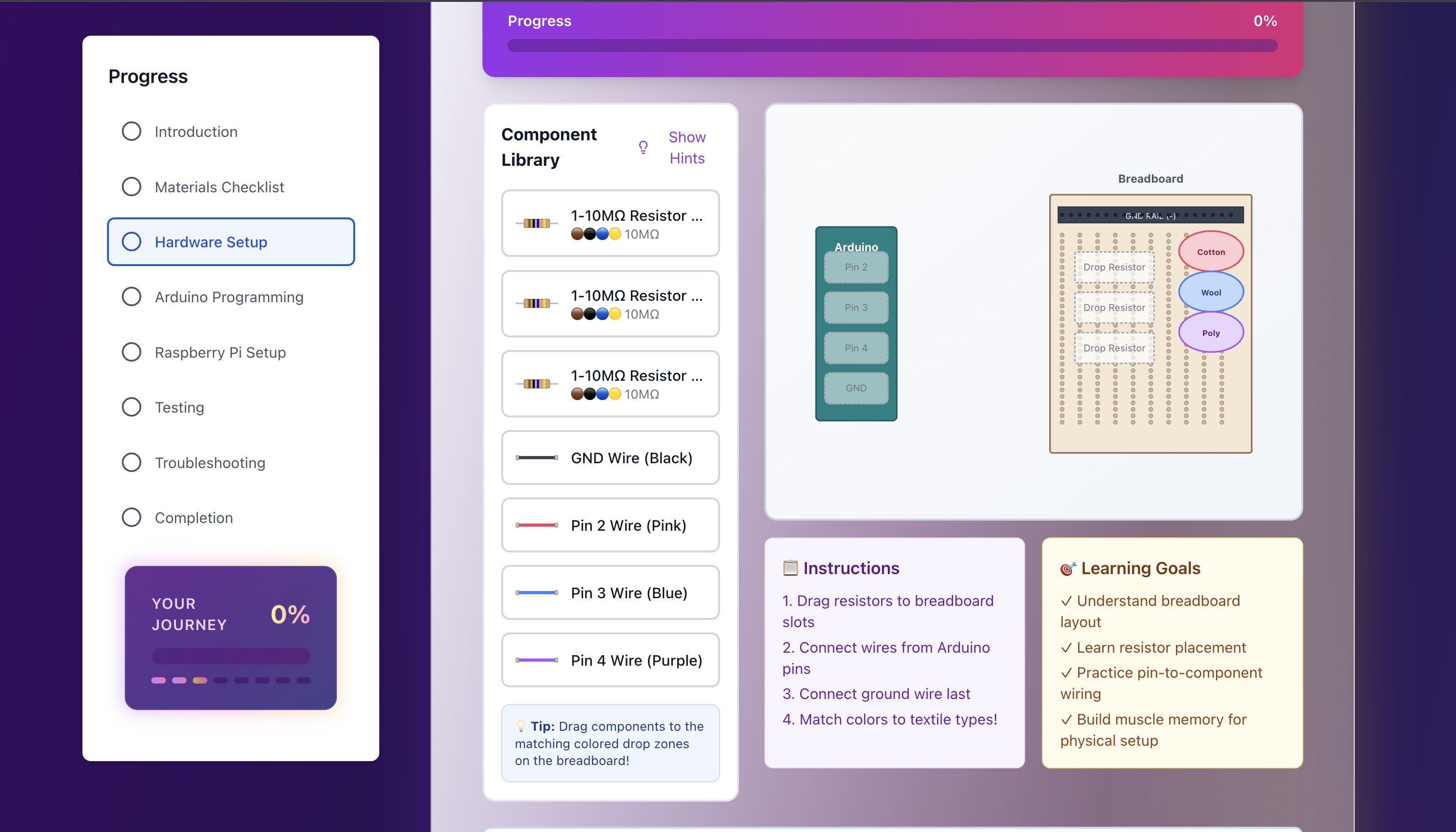
Conductive-thread touch sensing and an Arduino-to-Raspberry-Pi audio chain turned the swatches into a playable surface — each material given its own 'frequency identity' in sound and visuals. Then the documentation itself shipped: DiscoTextile, a public eight-step interactive build guide, makes the whole installation reproducible by anyone with an afternoon — the project didn't just get documented, it became teachable.
Process — 10 frames