The Spark
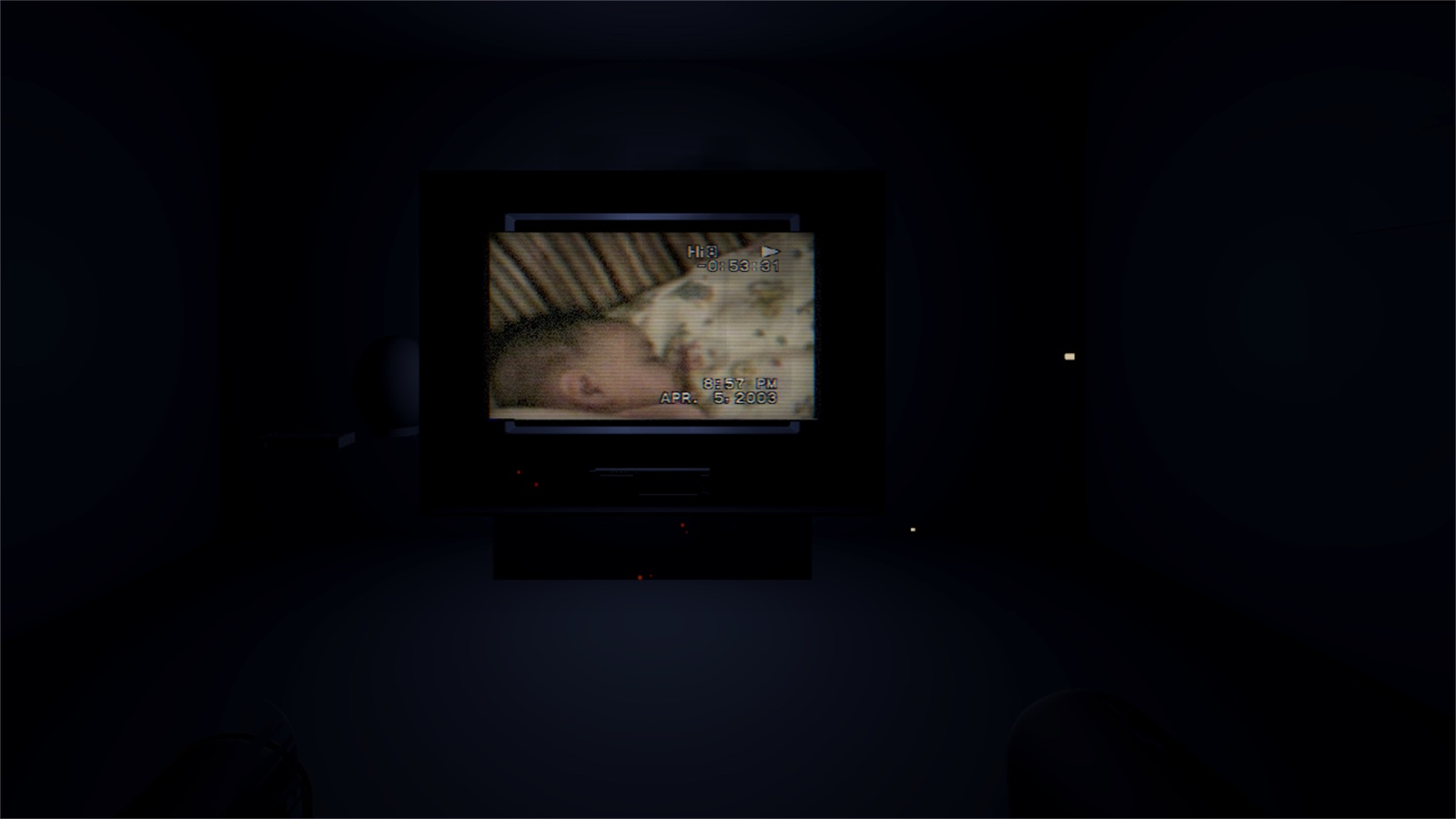
Over a summer break, Elliot Gallicchio found an old camcorder — a gift to her mother the year she was born — with the Hi8 tapes still inside: a baby in a crib, a date stamp reading APR. 5 2003. Those tapes became the source archive for her senior thesis in FIT's BFA Photography and Related Media, and the piece is openly autobiographical — an attempt, in the artist's words, to recreate 'the derealization, confusion, and numbness I experienced growing up' and to invite a stranger into that head. Its title is an elegy the project carries in its own code — In Honor of What Was and Will Never Be Again — for a child who, the thesis says, is no longer here.
In Process
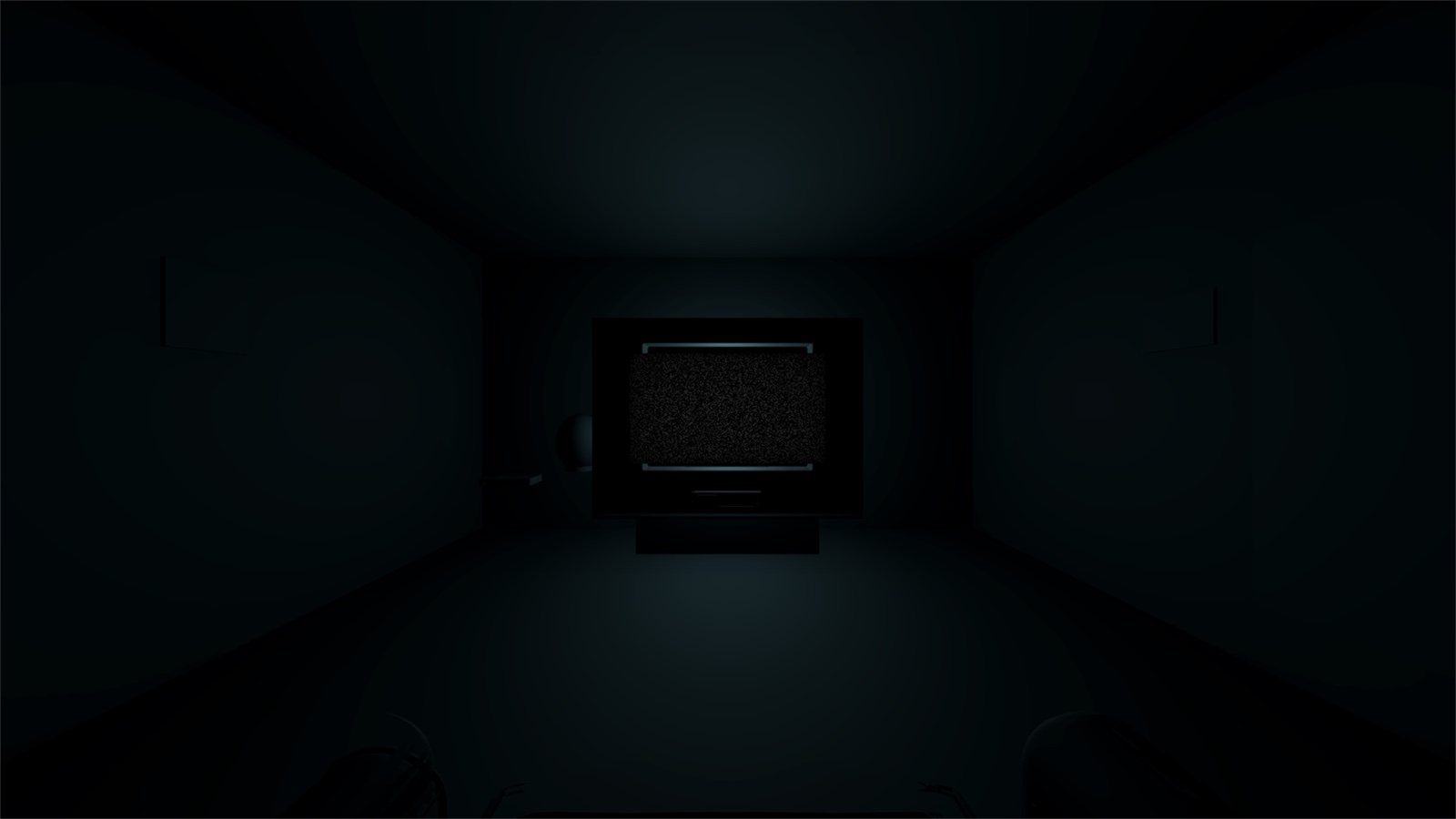
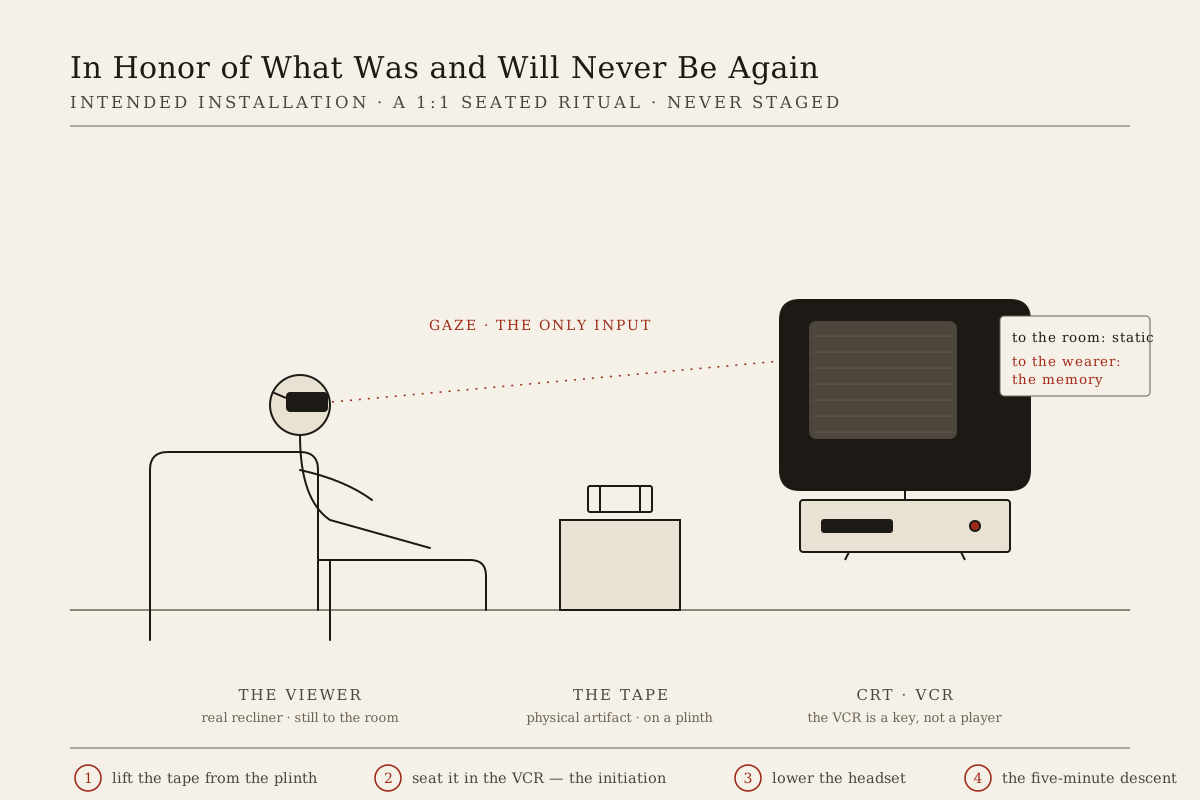
The intended staging is a single-viewer room, sized 1:1 to the body. You are meant to sit before a real period CRT television, a VCR, and a physical VHS tape, and to enter the piece through a small ritual: pick up the tape, feel its weight, and deposit it into the VCR to begin. The VCR is designed as a key, not a player — as the artist frames it, if you want to see it, you have to put it back. The staging also carries a public/private split: to anyone else in the room, the CRT shows only static and the viewer sits still and isolated, while inside the headset the full memory plays. The room witnesses nothing; the wearer holds it alone.
The Craft
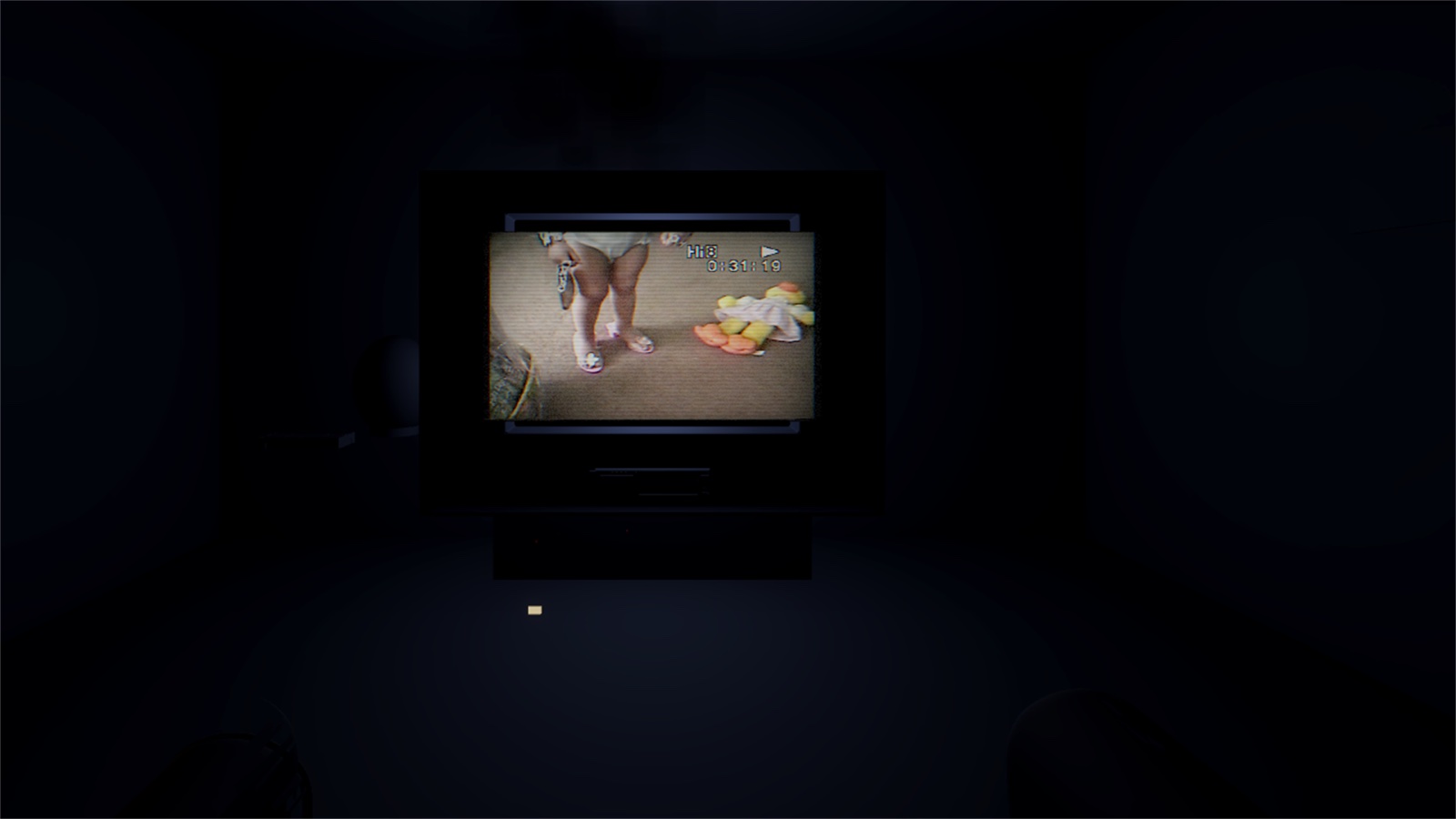
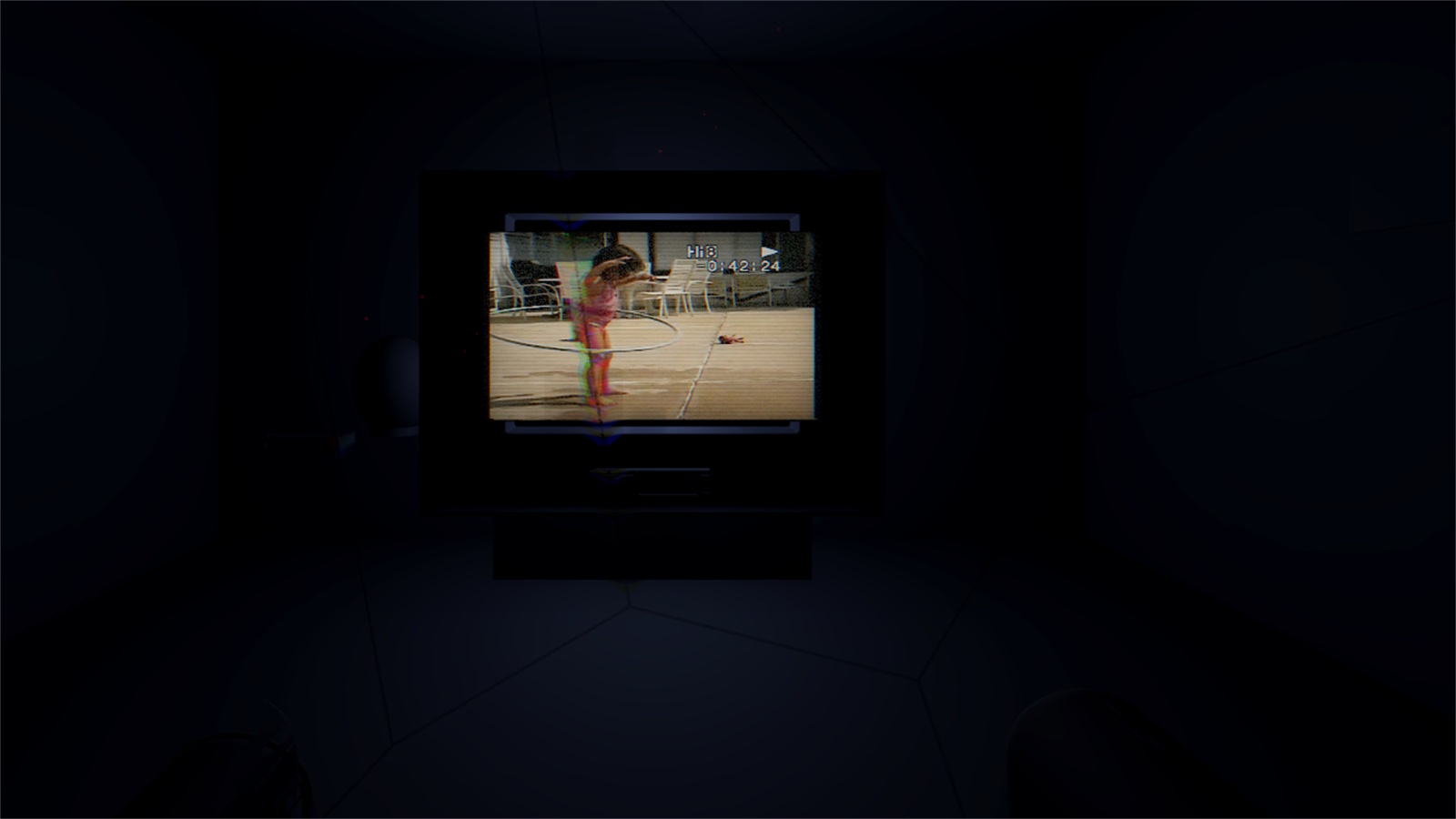
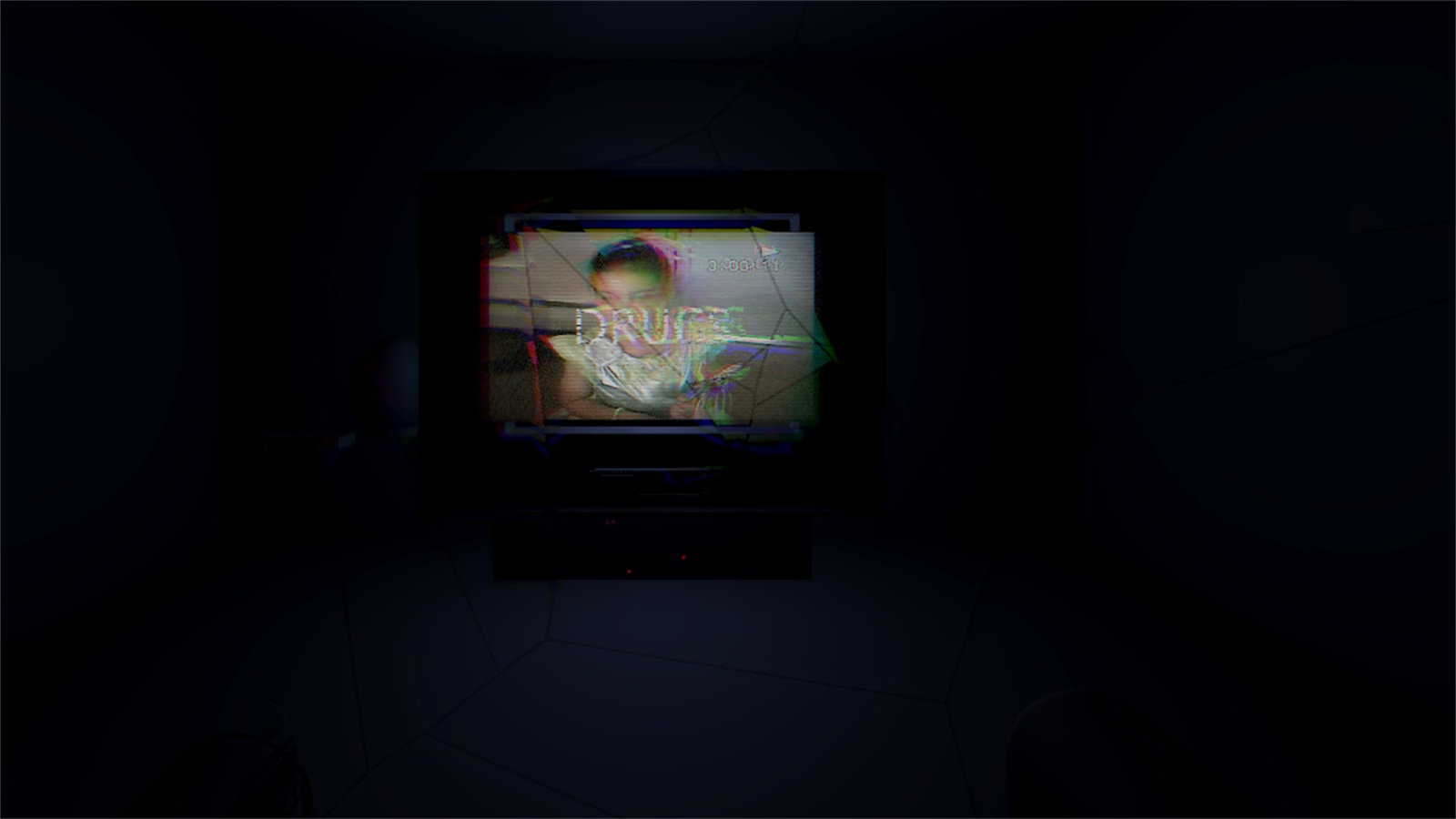
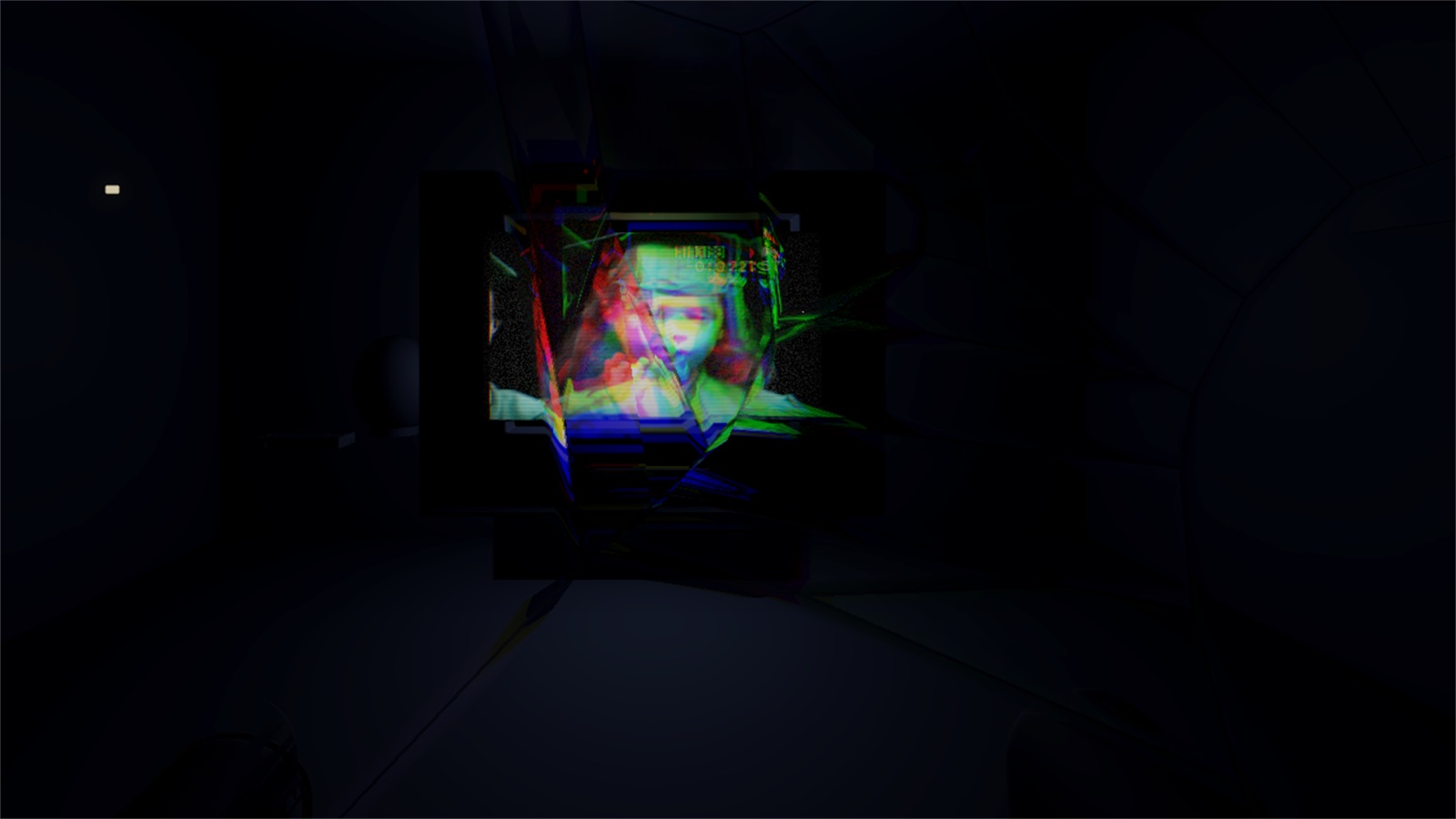
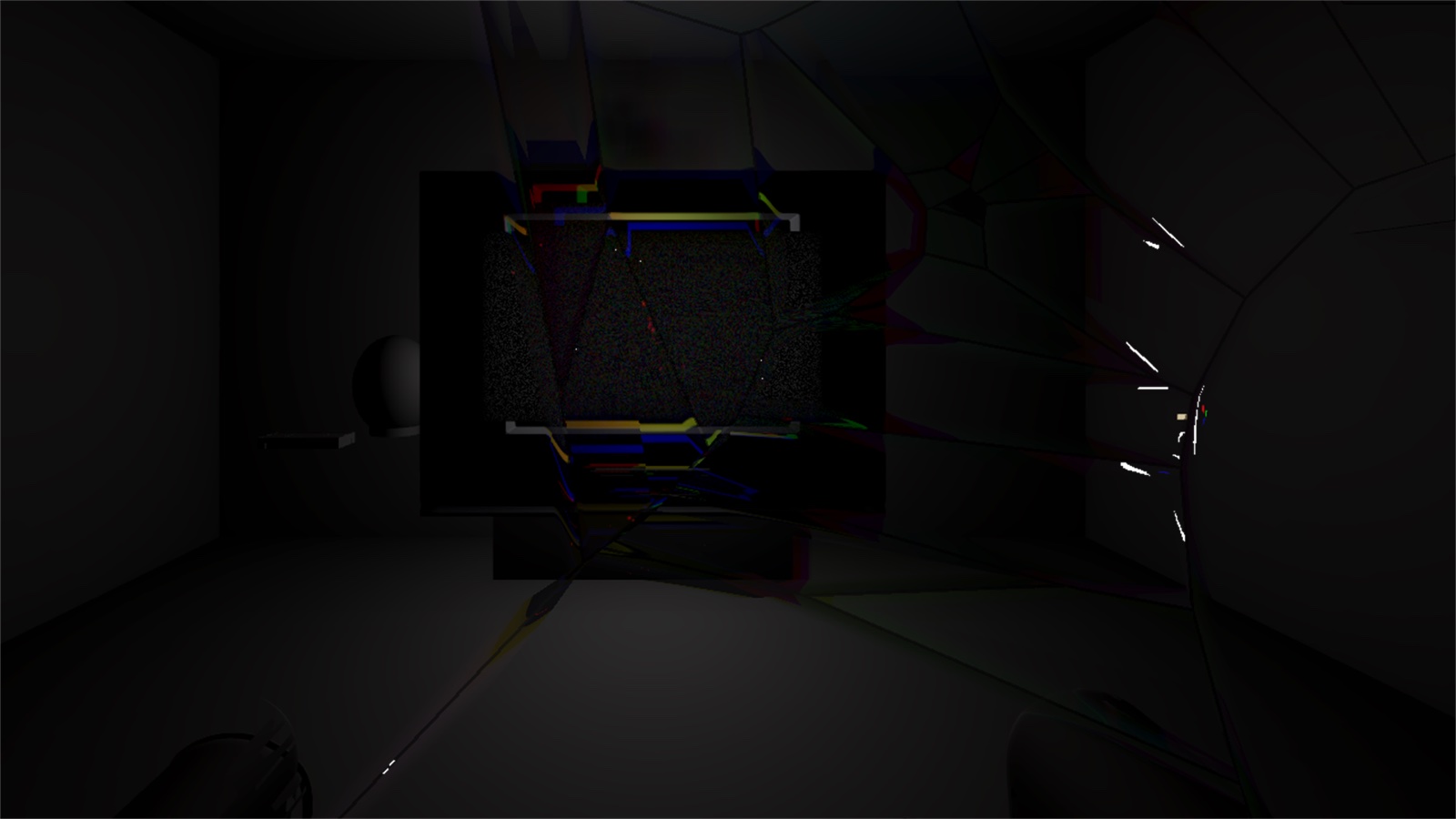
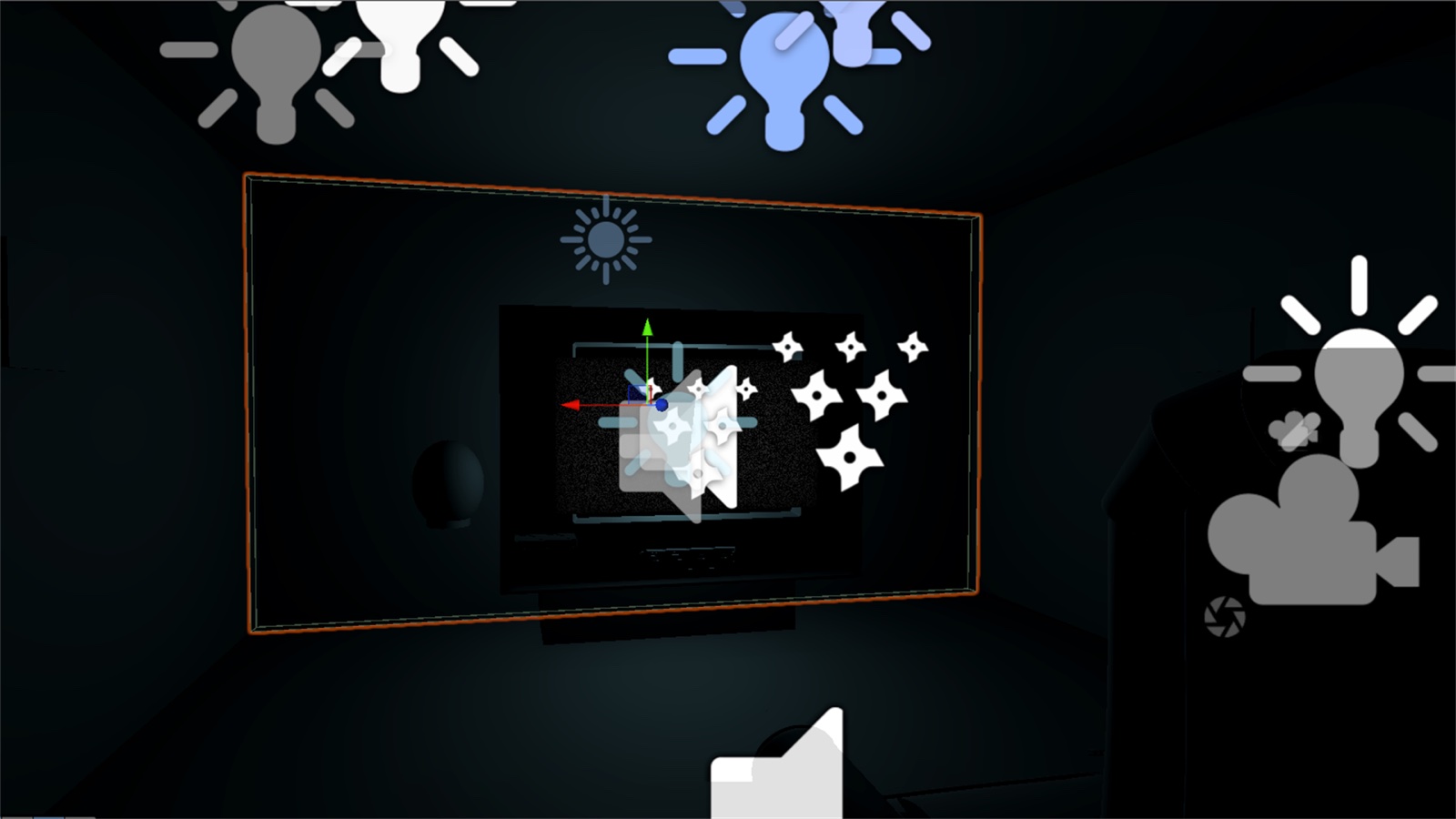
Inside the headset, on a Meta Quest 3S, you find a dim period living room facing the boxy CRT. Over a fixed five-minute arc — Comfort, Unease, Surfacing, Derealization, Resolution — the television plays the childhood footage while the room quietly turns against you, and your gaze is the only input: looking at the memory pulls you deeper, while looking away, past a ten-second grace, is punished, because the room remembers for you. The whole experience is a slave to a single number — an emotional-intensity float running 0 for calm to 1 for full derealization — broadcast every frame and read by roughly thirty-eight scripts that dress one room. The footage itself is the clock: playback time is sampled against a hand-drawn curve, with eleven exact cues fired from the warning pulse at 1:44 to the TV's death at 5:00. The signature move is physiological — a Touch controller rides in a soft pouch over the viewer's chest and beats as a second heart, and rather than being scripted it listens to the audio heartbeat's live output, measures its loudness, and fires the rumble on the rising edge, so your pulse and the memory's pulse interleave with no timing code at all. The climax is procedural down to the sparks: five particle systems built in code drive a build-up, a white-flash overload, and a two-phase topple as the CRT overflows its container and dies.
Outcome
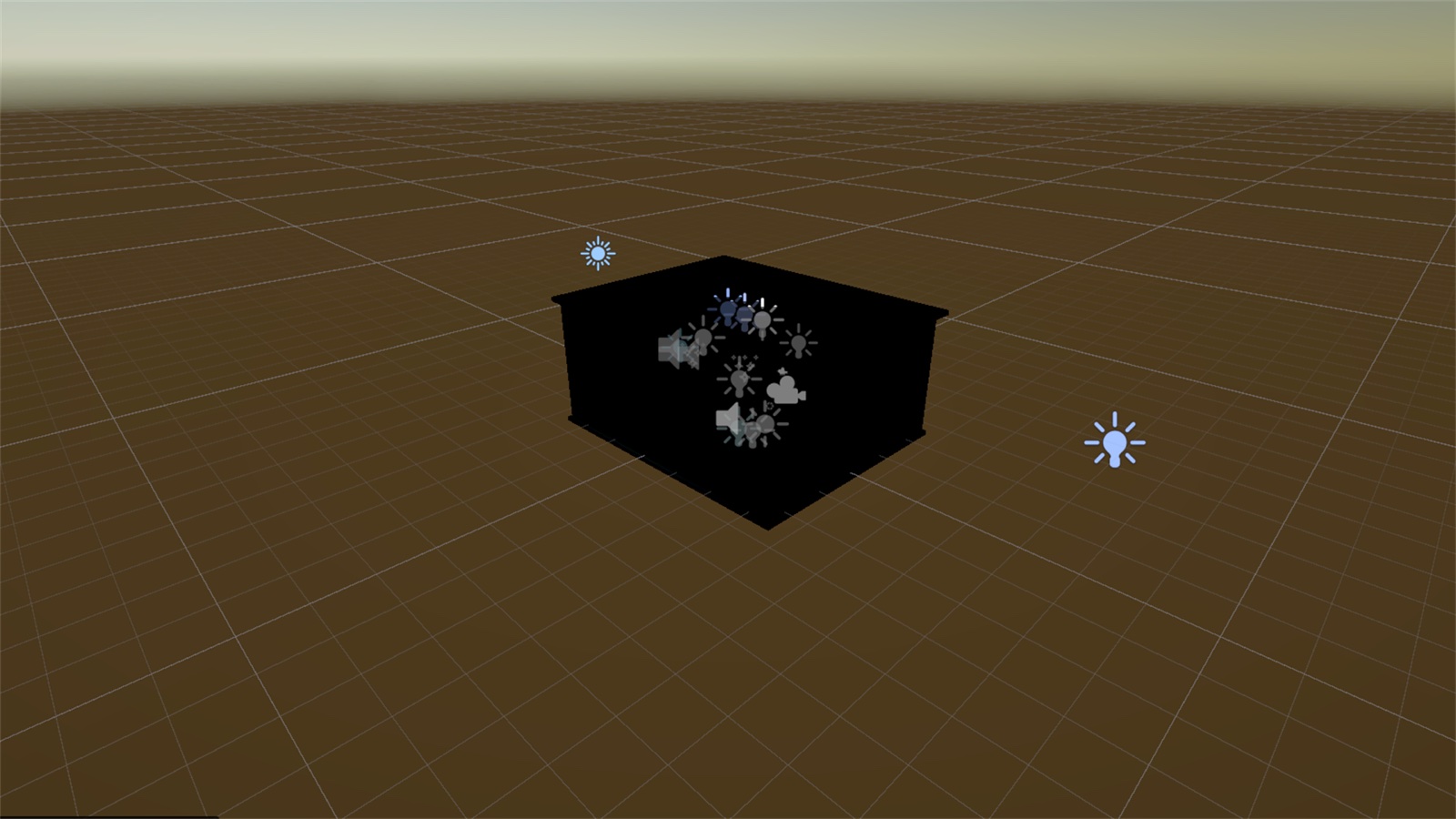
The VR work was finished — it runs end to end, the intensity float climbing its curve, the heartbeat interleaving with your own, the television dying and taking the room's light with it before the ghost lamps wake one by one. It was made for From Our Eyes, the FIT 2026 BFA Photography and Related Media senior exhibition at The Museum at FIT. The physical staging it was designed around — the room sized to the body, the CRT and VCR, the tape waiting to be picked up — is shown here as it was intended, a schematic standing in for the room itself. The finished piece stands complete.
Reflection
The governing principle is stated plainly in the design document: the viewer is not watching a story about memory but is inside a mind that is remembering — and every technical decision bends toward it, from the non-positional heartbeat placed inside your head to the gaze that will not let you look away. Clinical words — repression, derealization — become something a body can feel through a controller pressed to the chest. The most quietly radical choice is refusing precision: the room is authored to be always slightly unstable, so that even before anything goes wrong, something already has.
Process — 9 frames