The Spark
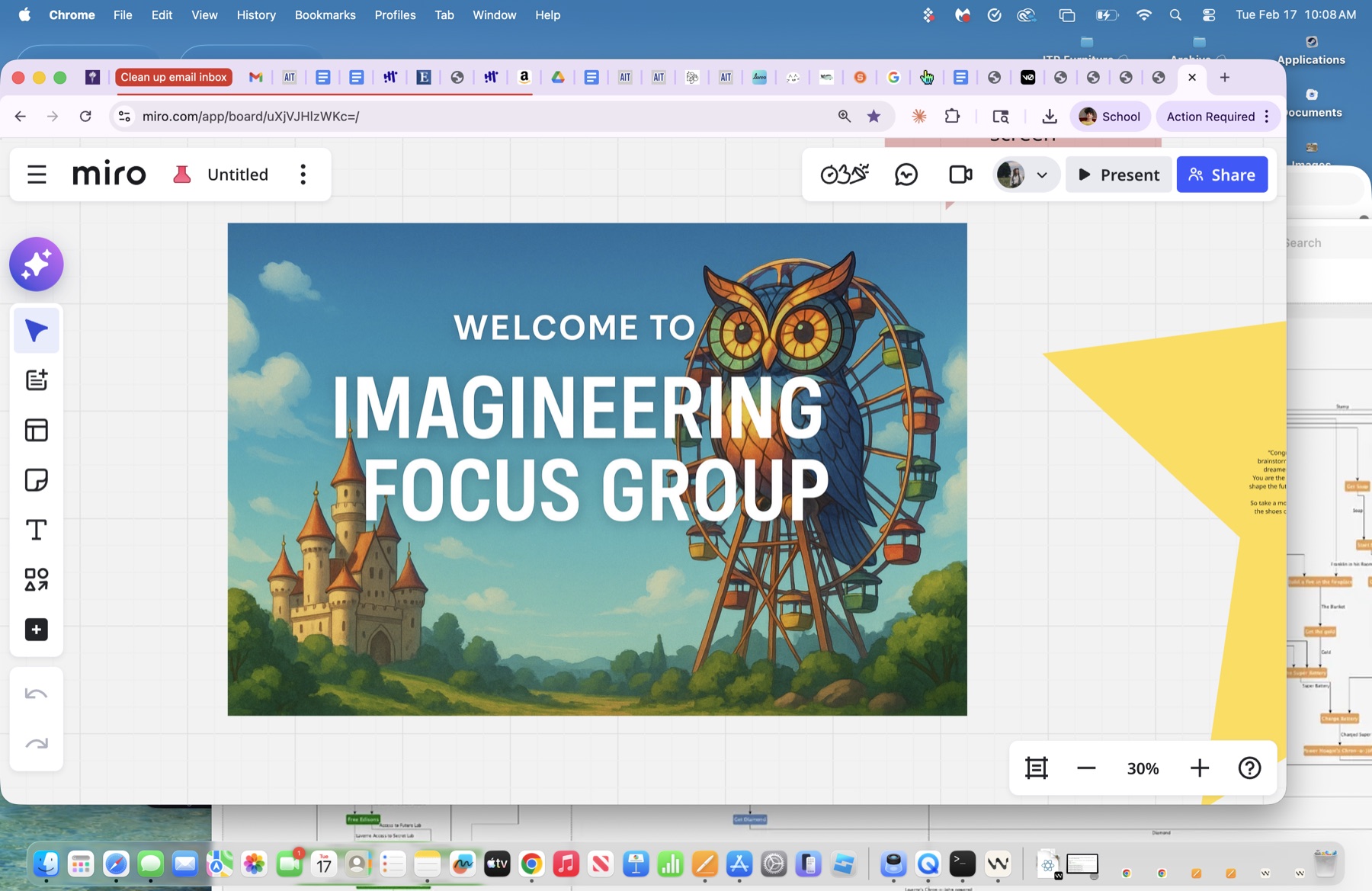
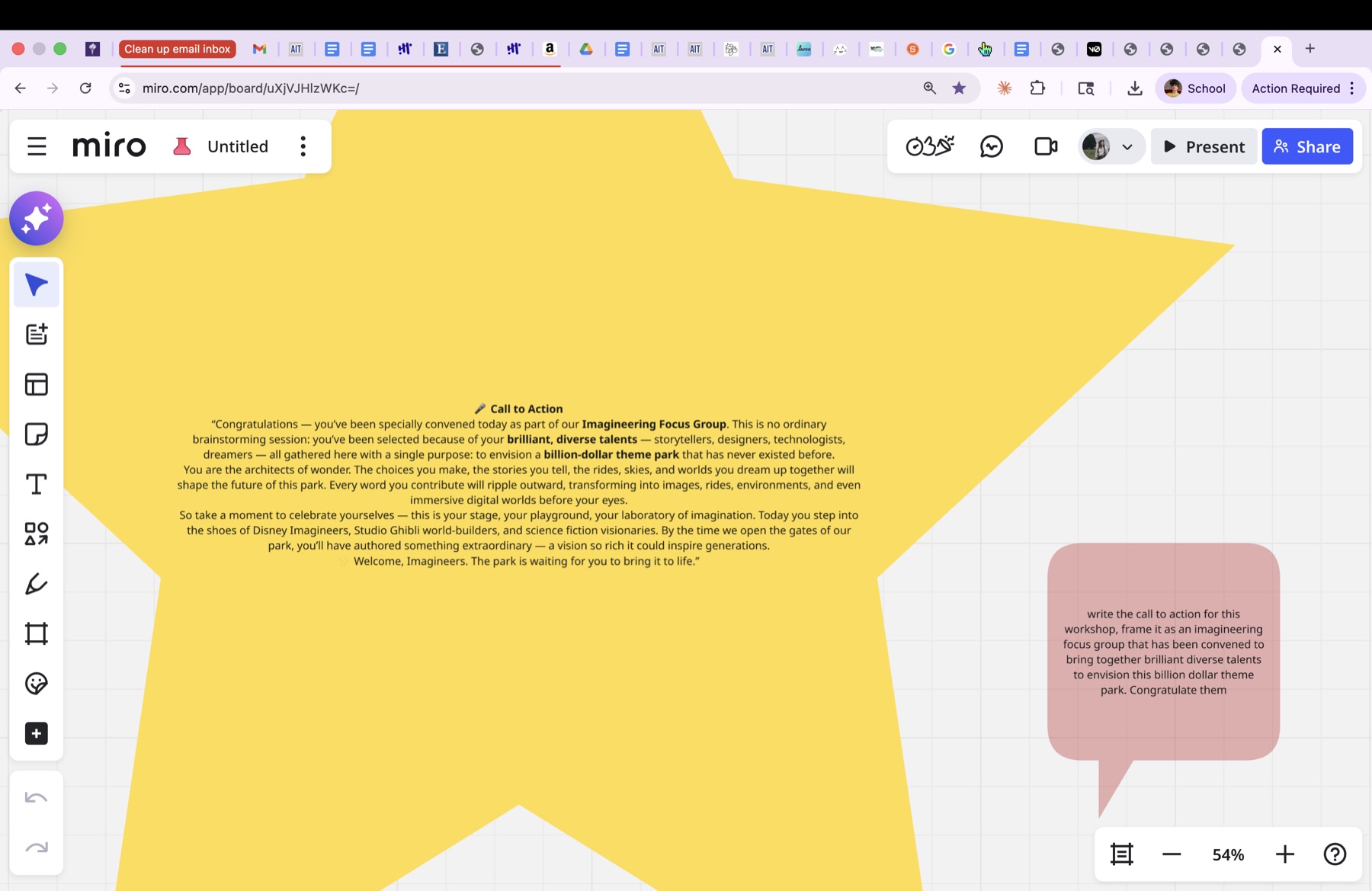
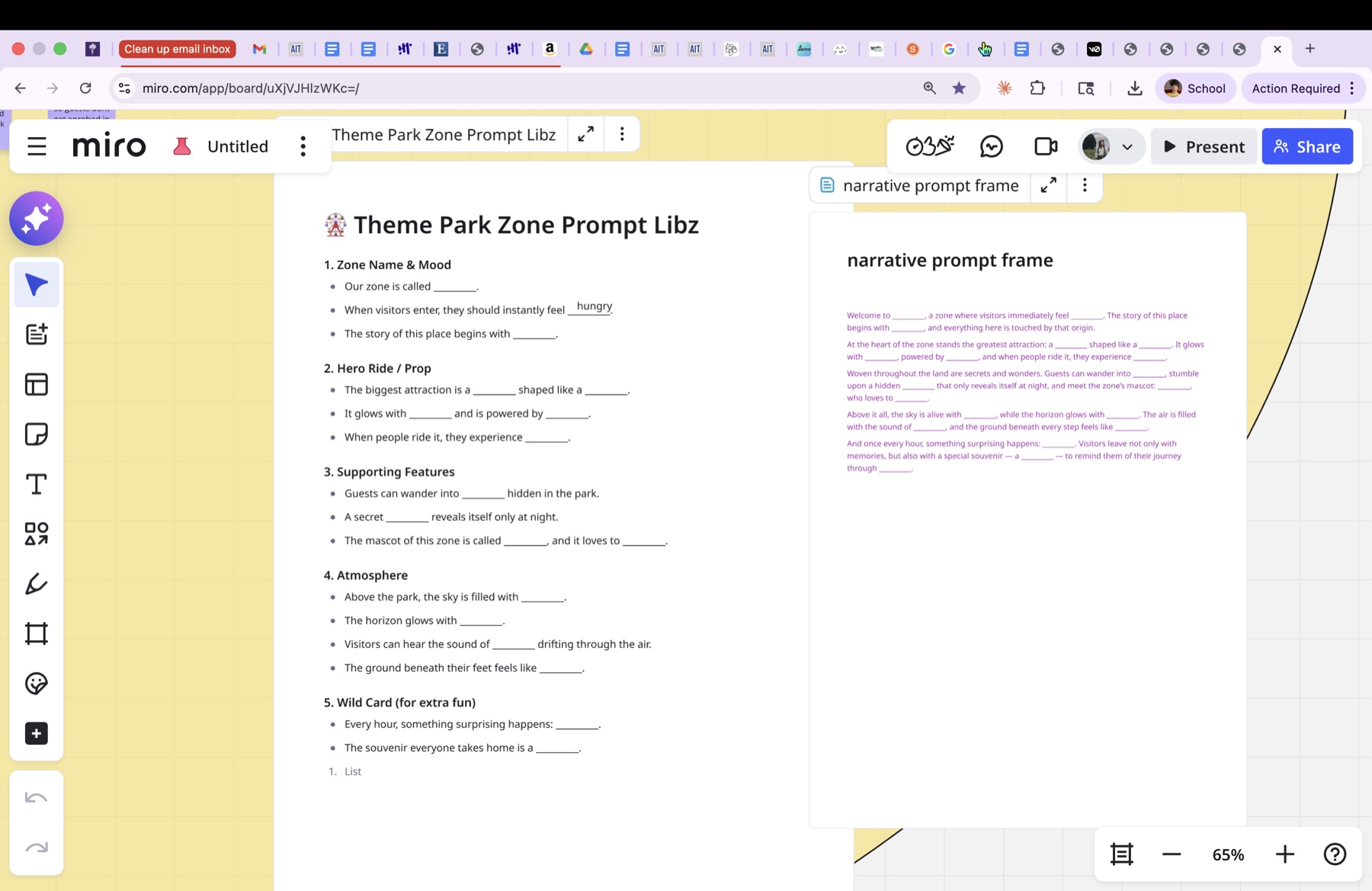
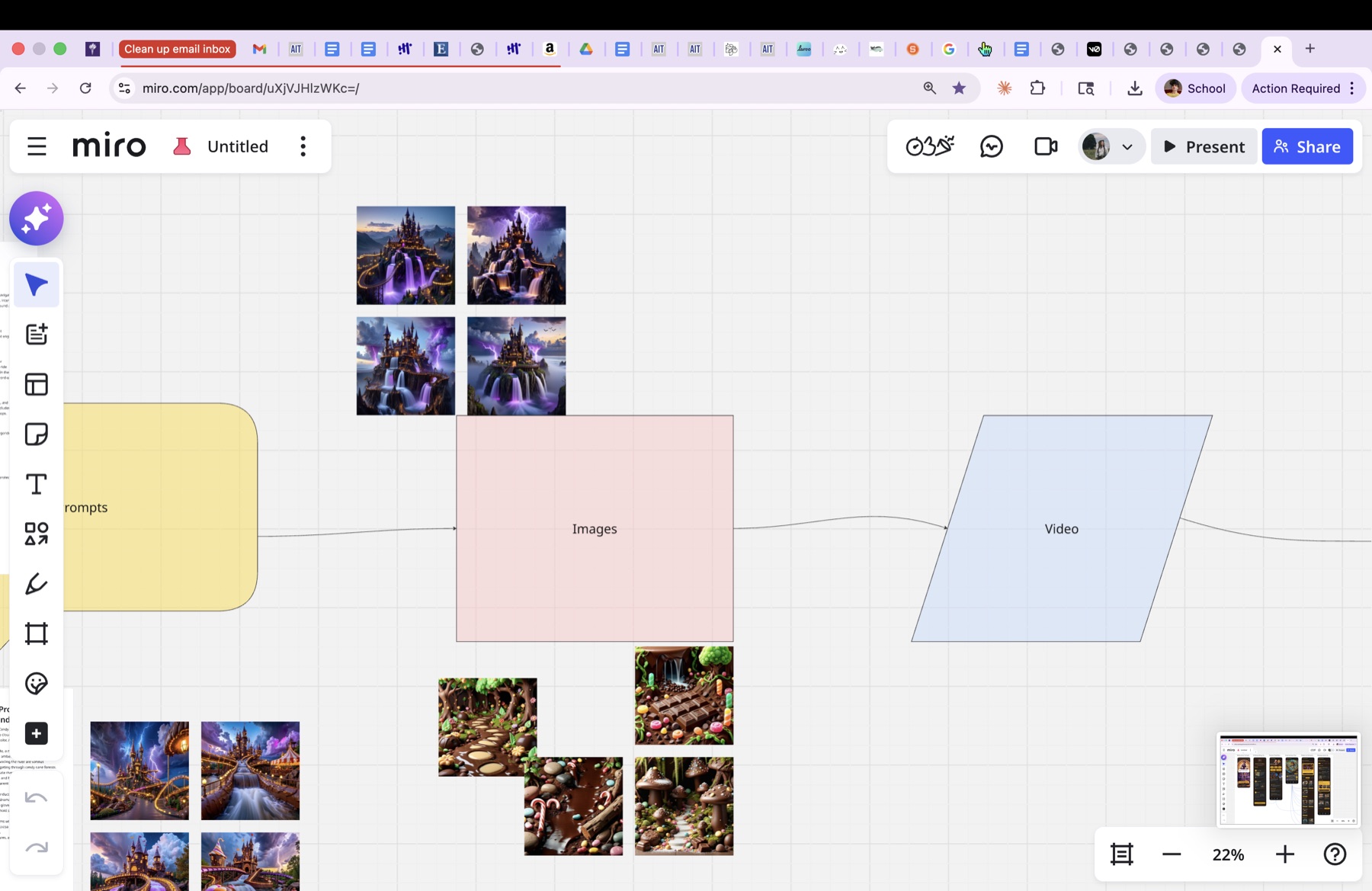
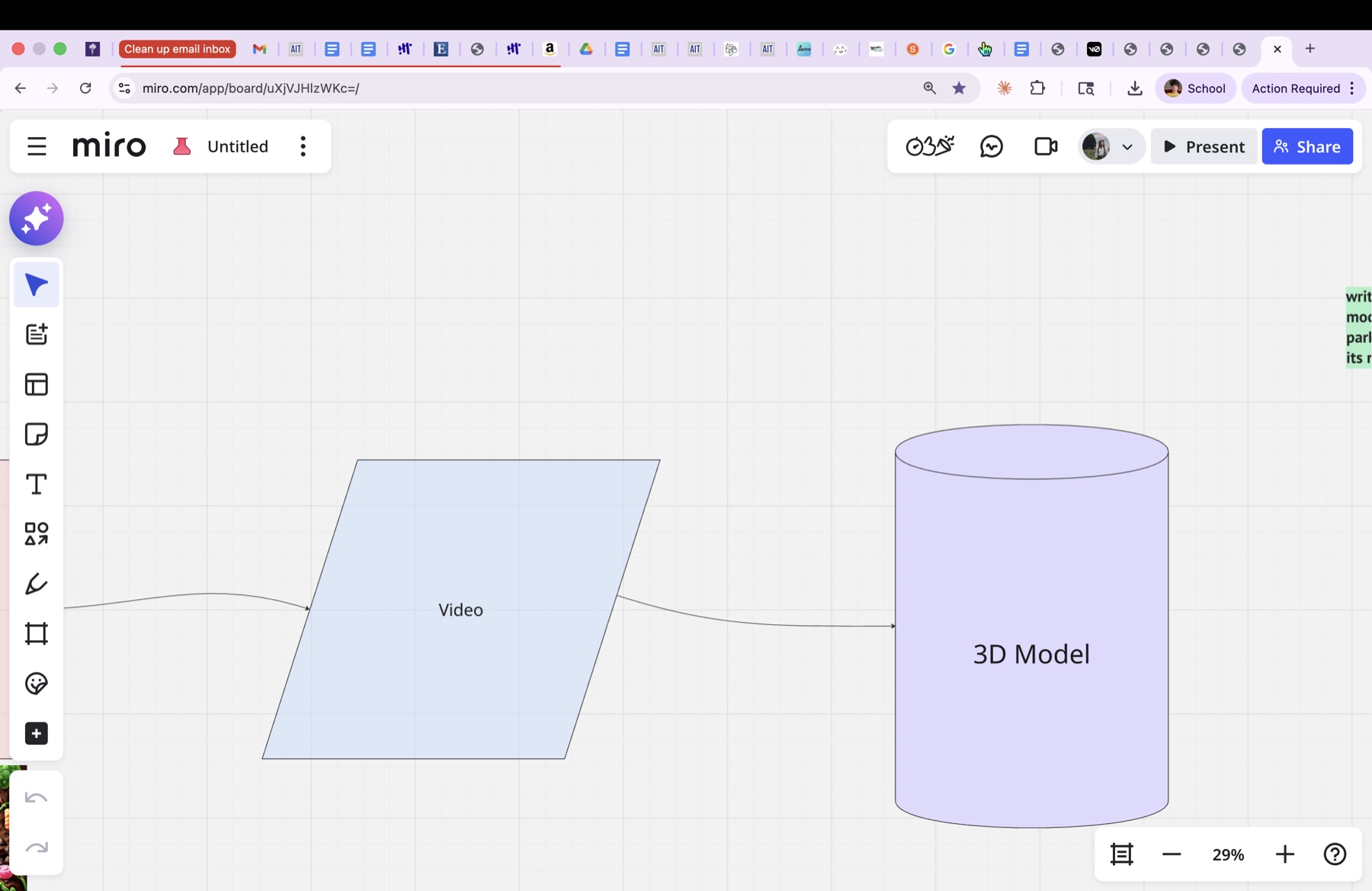
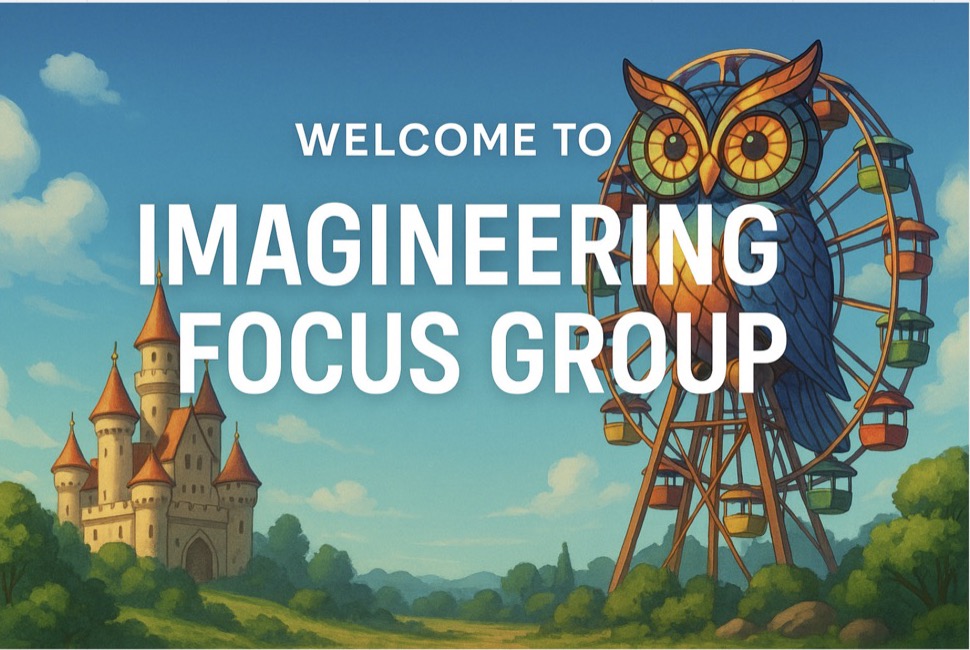
Words2Worlds began as AI theme-park imagineering — the Imagineering Focus Group and Collective Theme Park classes of fall 2025 — and matured by January into something sharper: a context-engineering practice for experiential design, where cumulative prompts carry a brief from text to image to video to 3D to environment. The scaffold is a living prompt library — global seed vision, brand adjective trinity, hero experience, supporting touchpoints, atmospheric environment, an innovation wild card, and a three-act experiential arc — filled by the room and carried down the pipeline. Over winter break the method compressed into a day-long faculty workshop: seventeen faculty from A&D, B&T, LAS, and Academic Affairs each authored a retail world through a purpose-built web app that folded every contribution into one Master Synthesis.
In Process
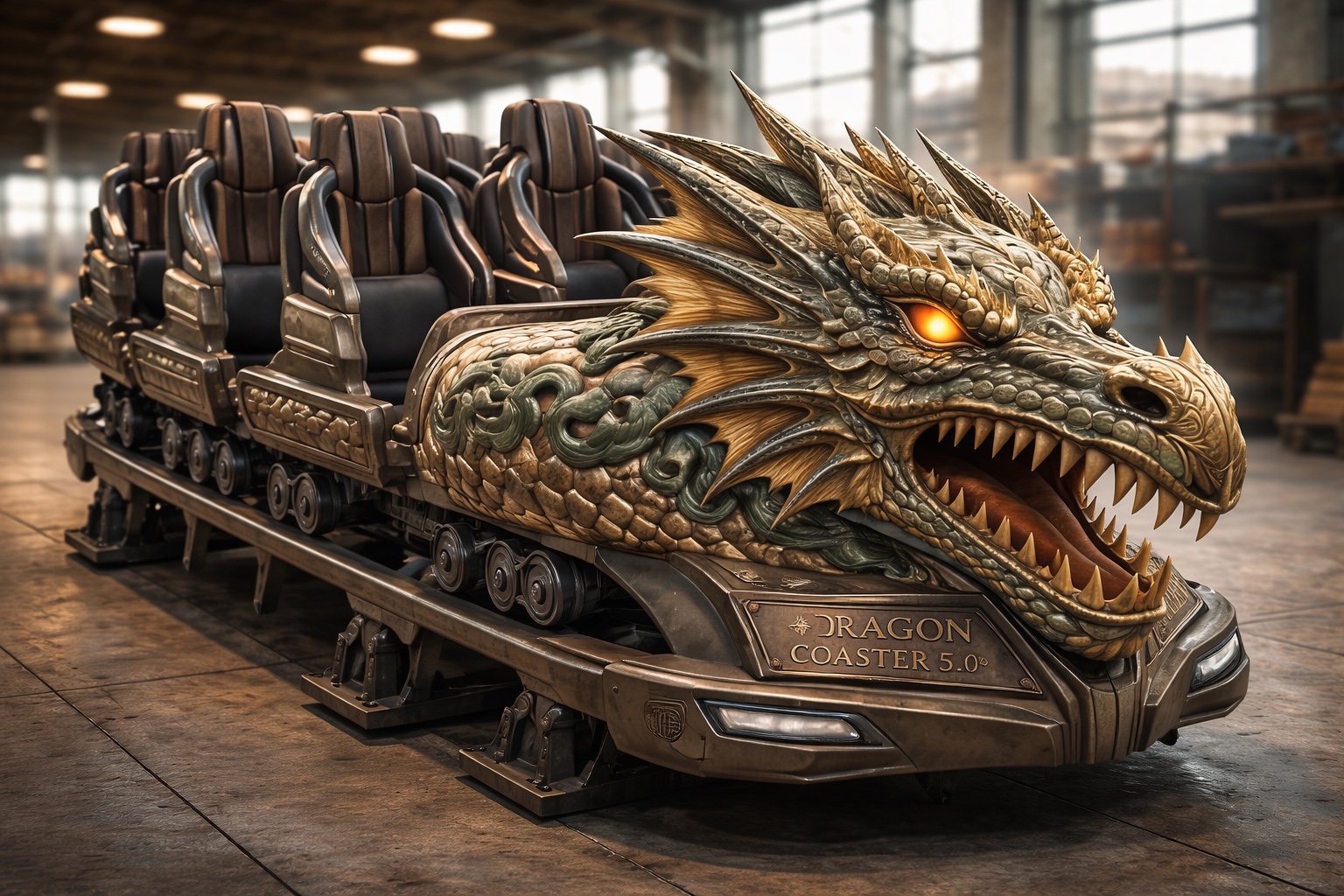
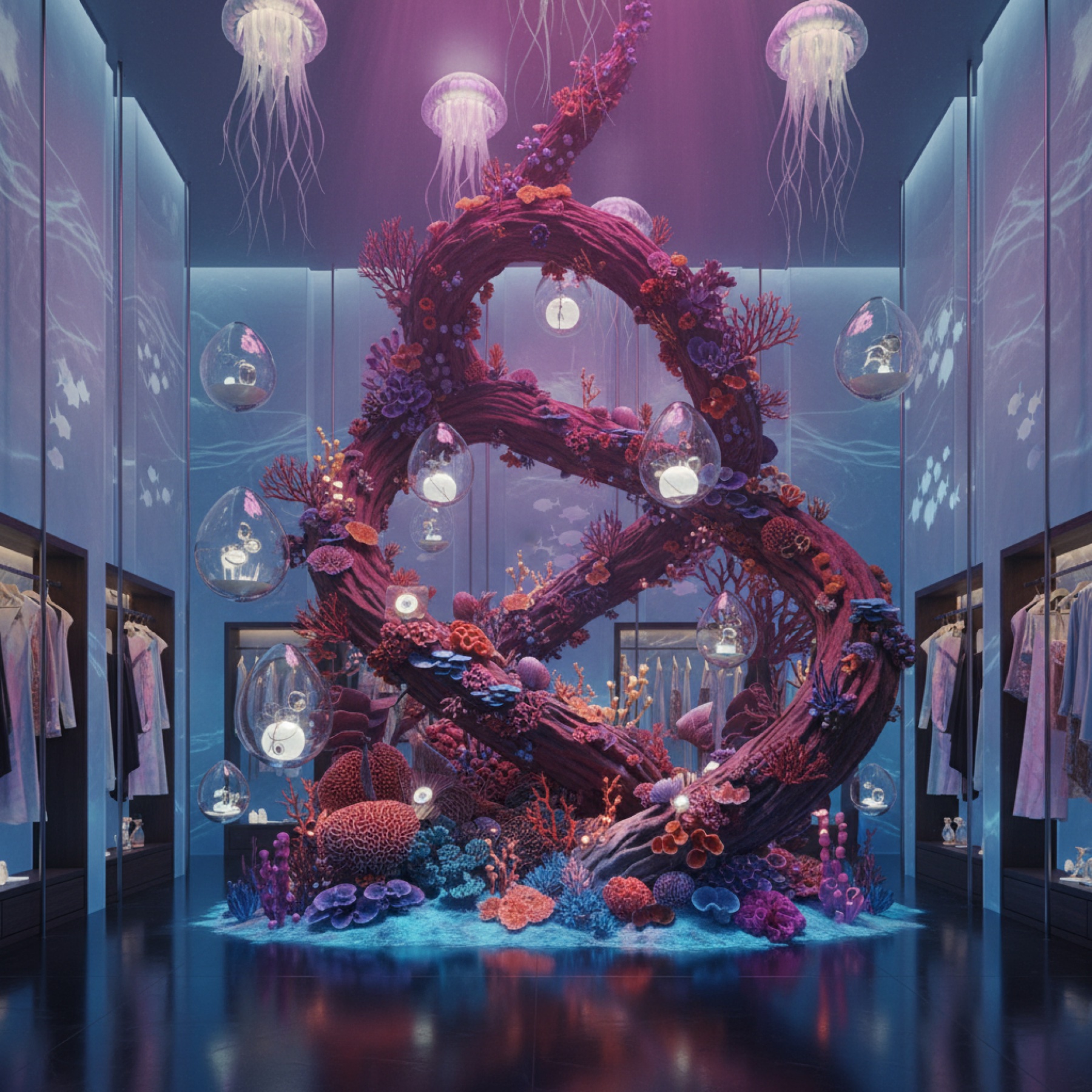
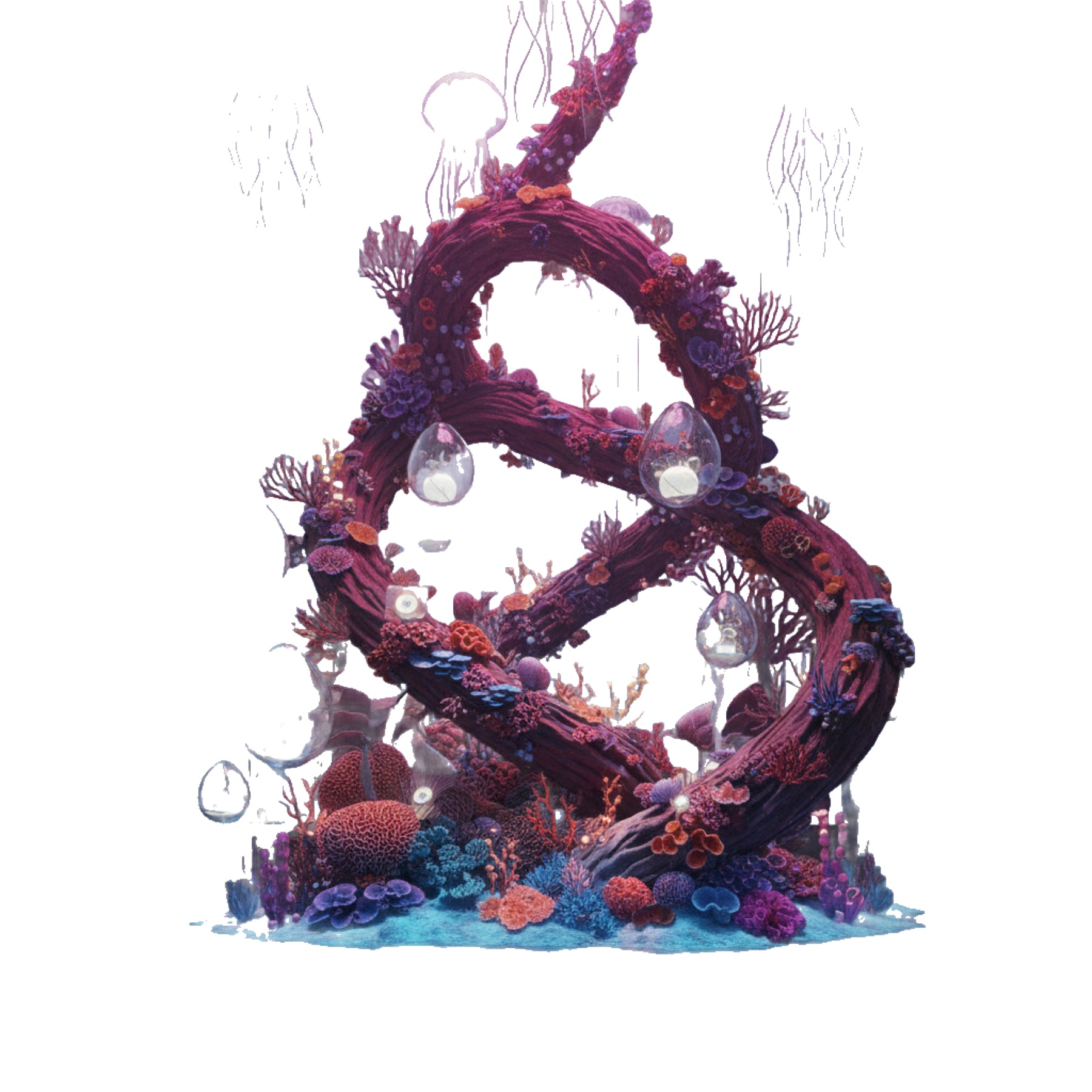
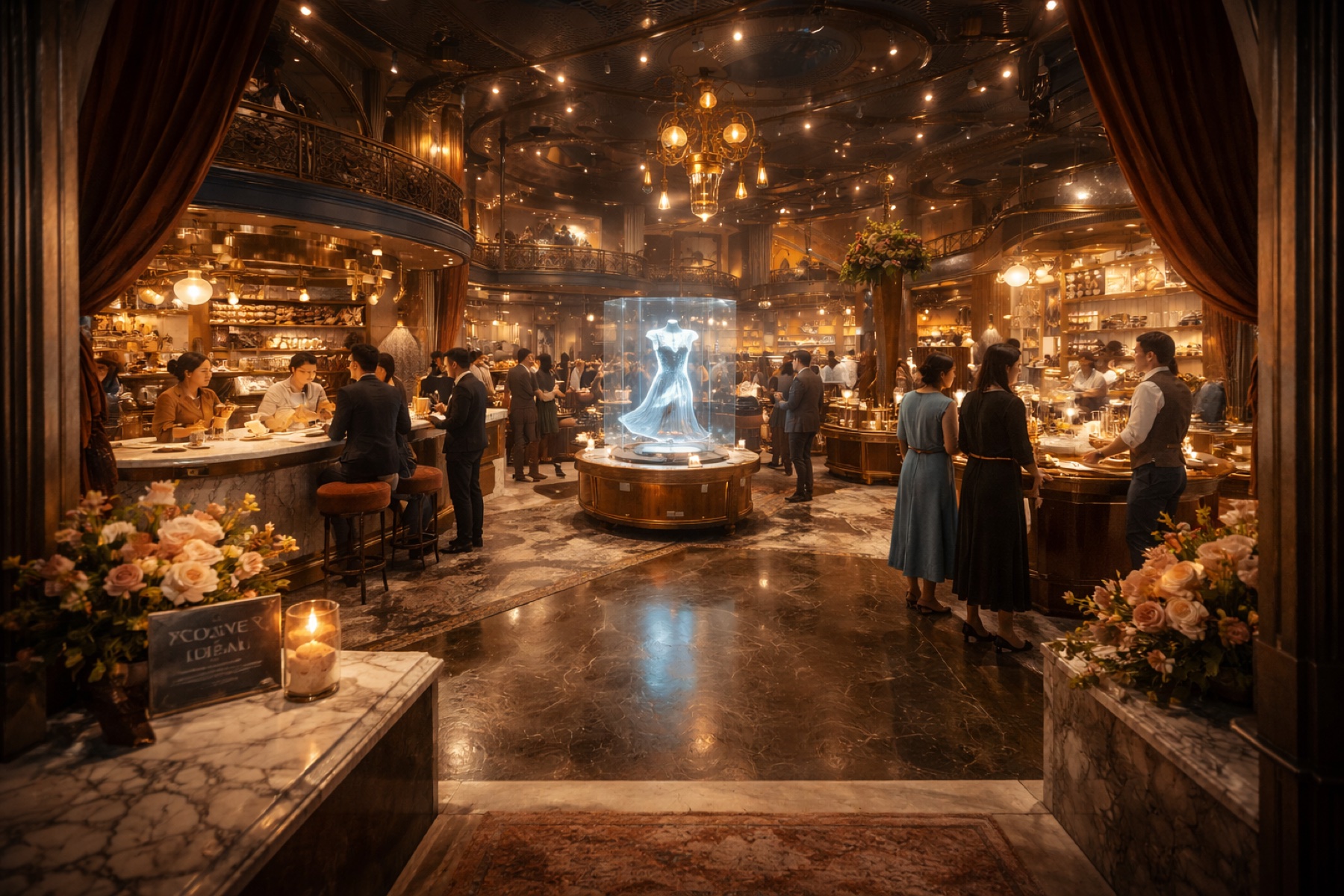
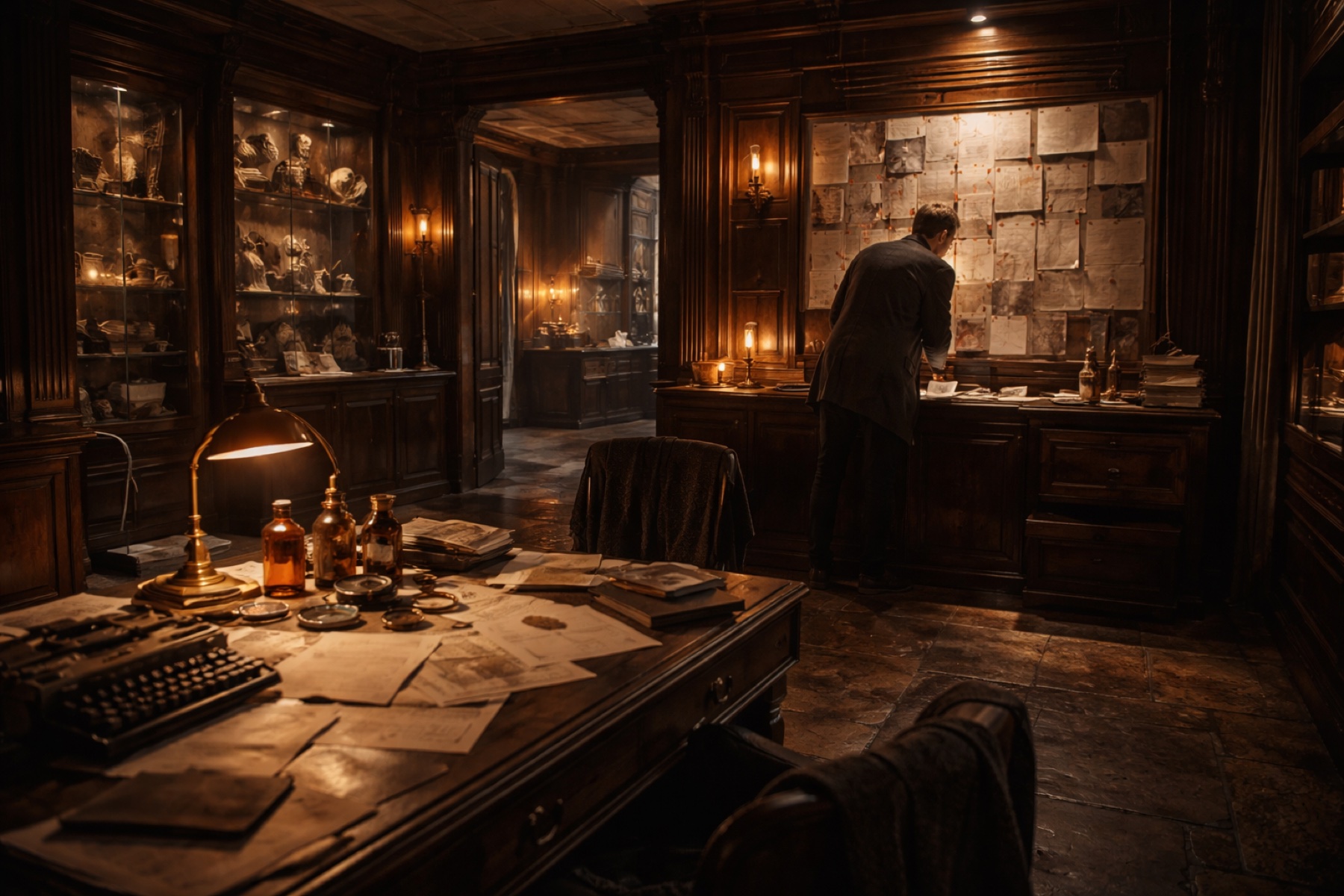
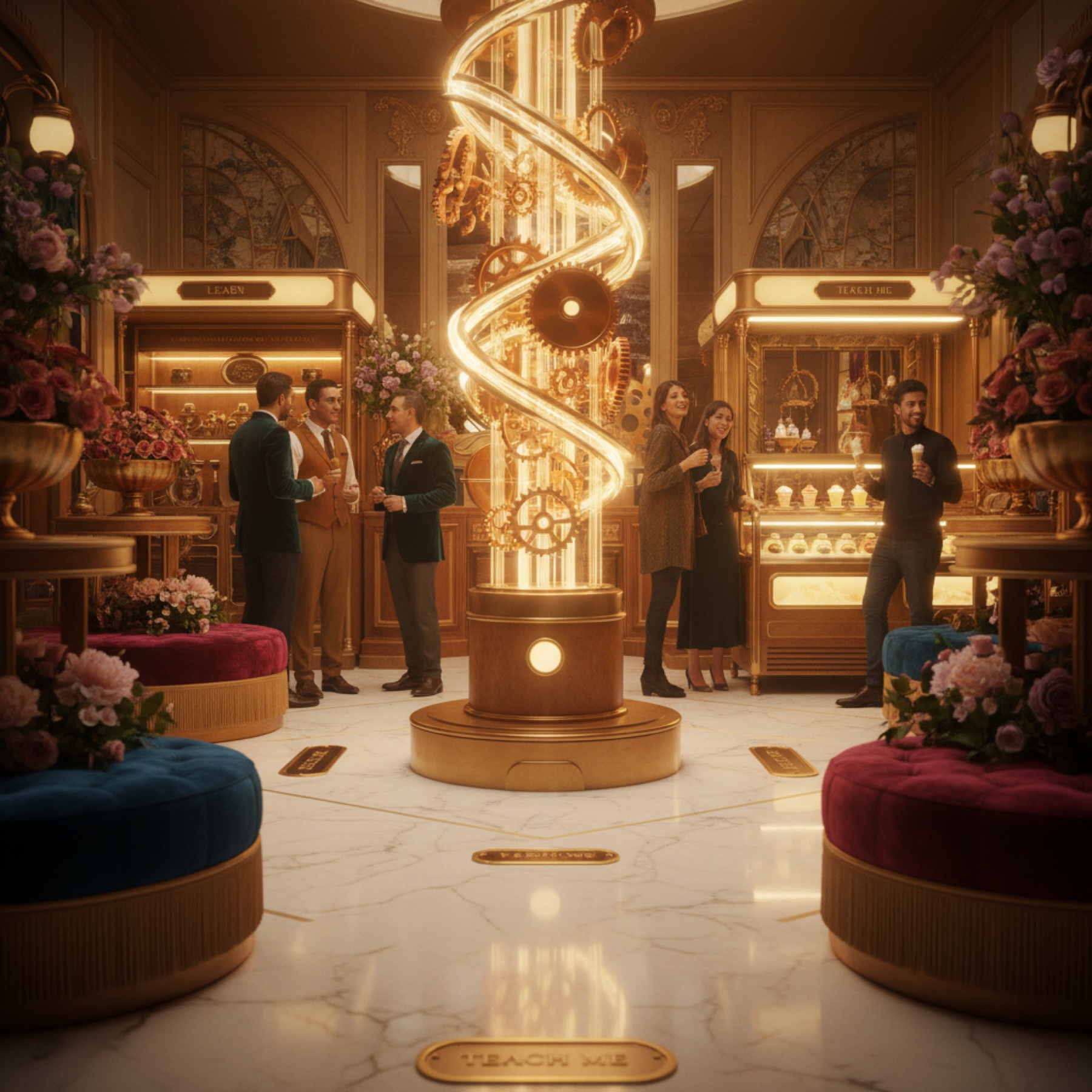
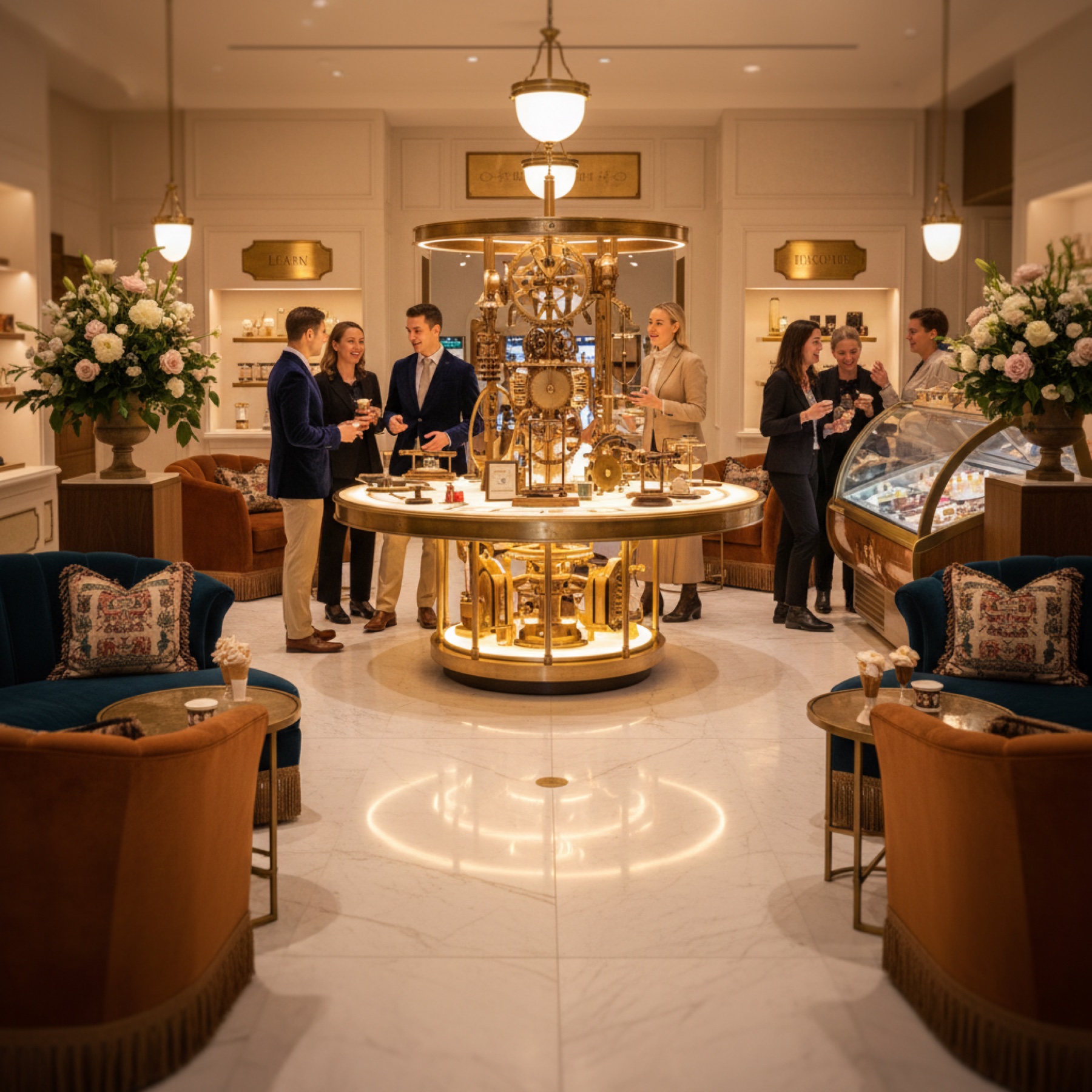
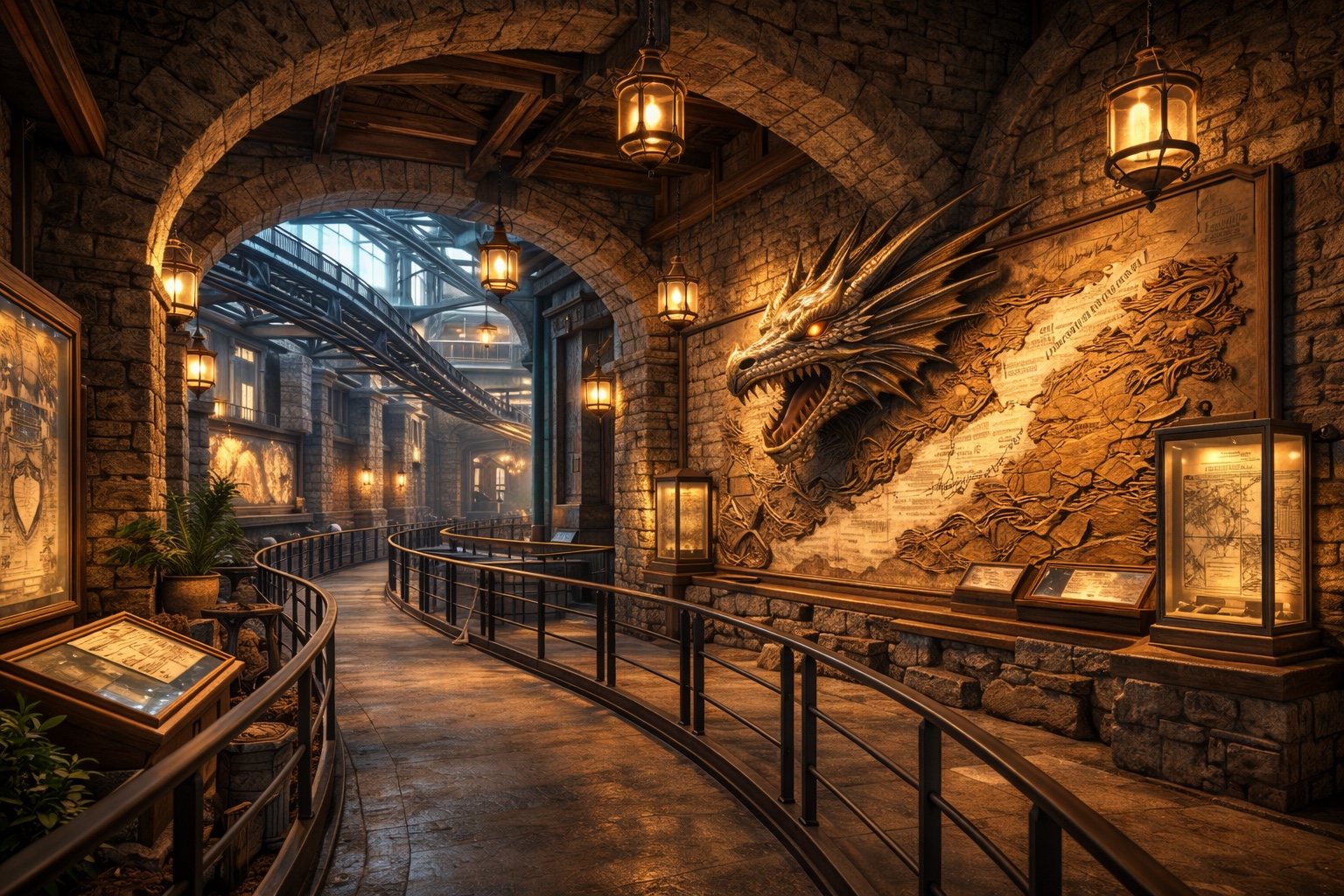
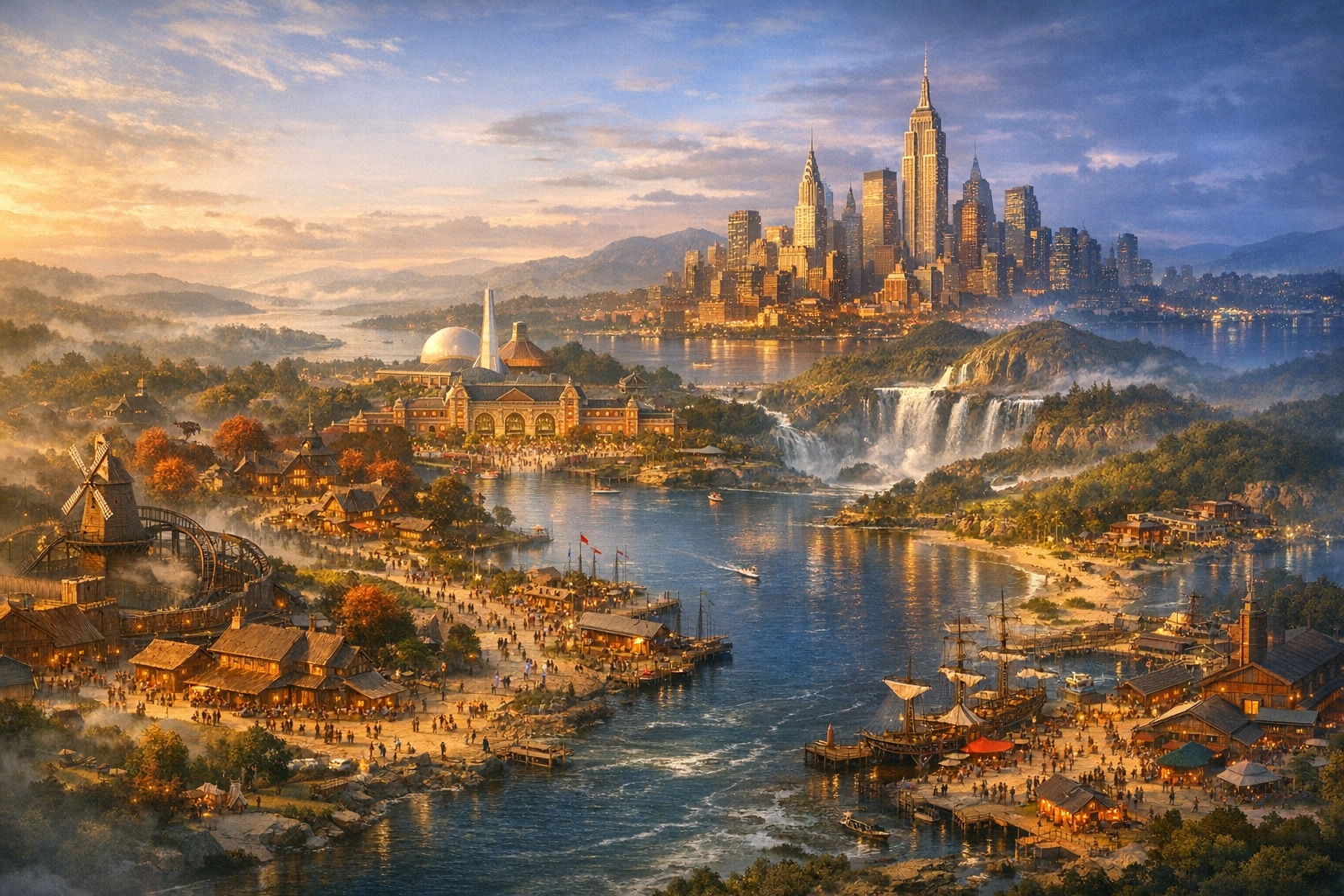
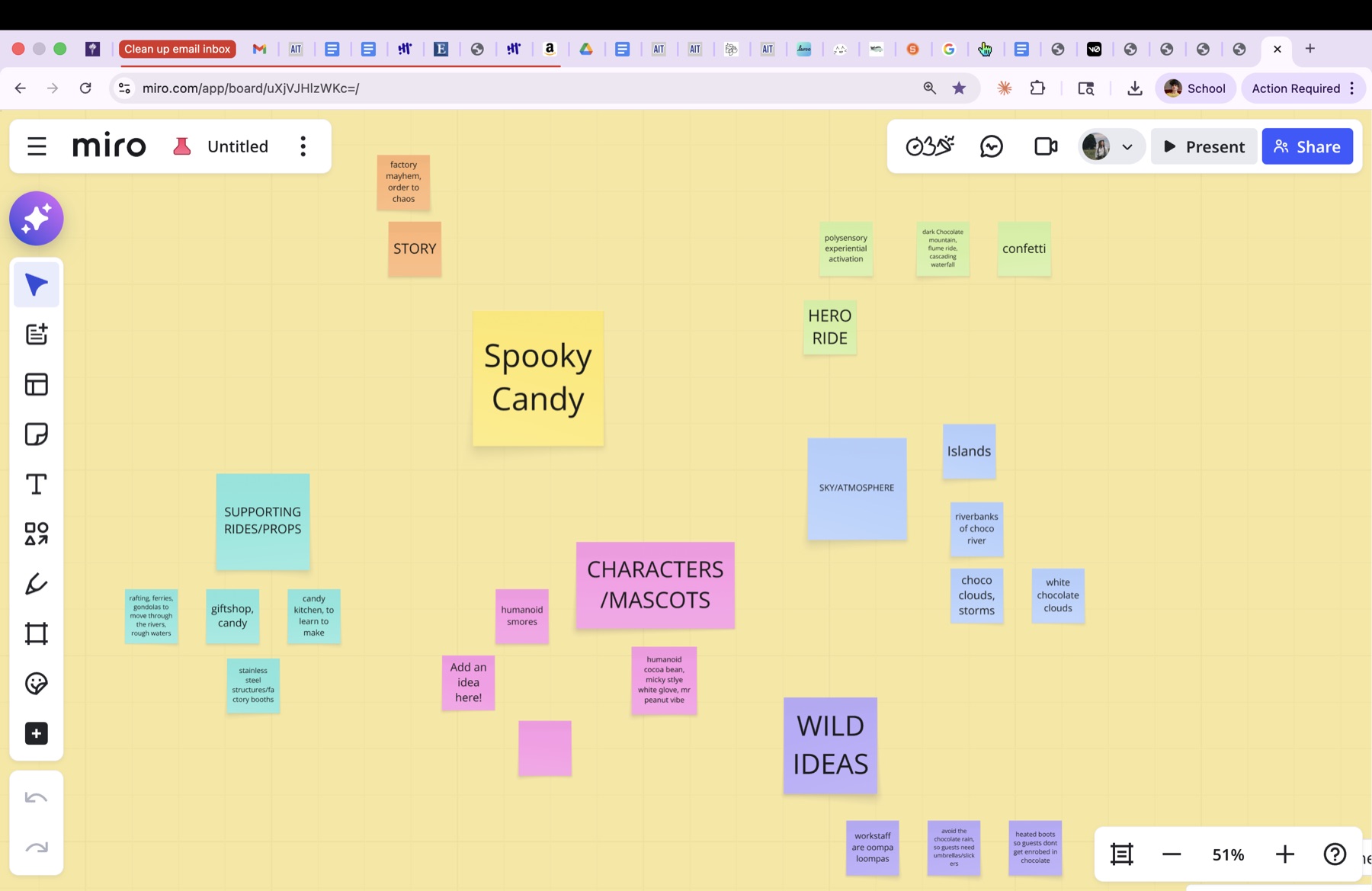
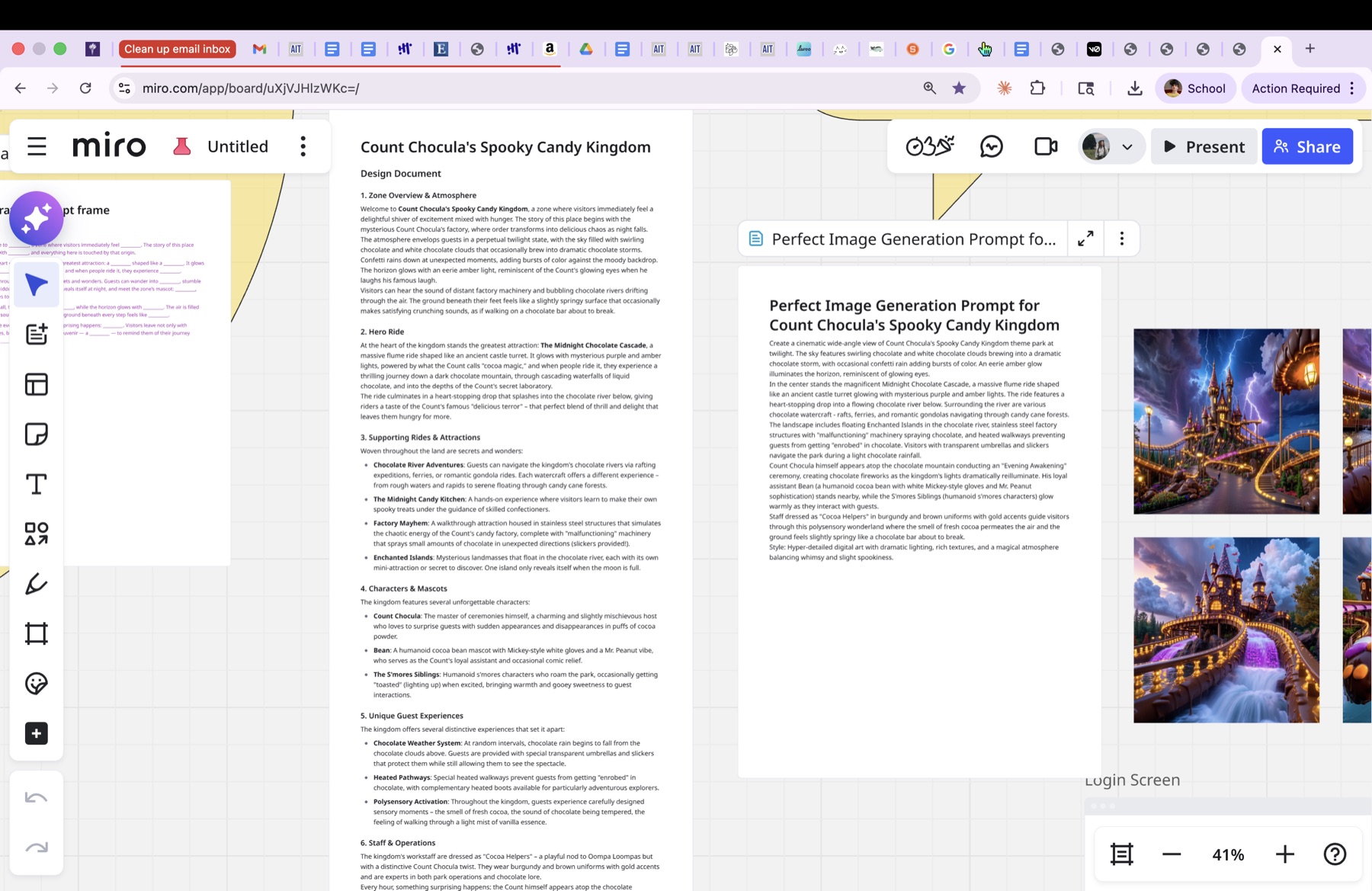
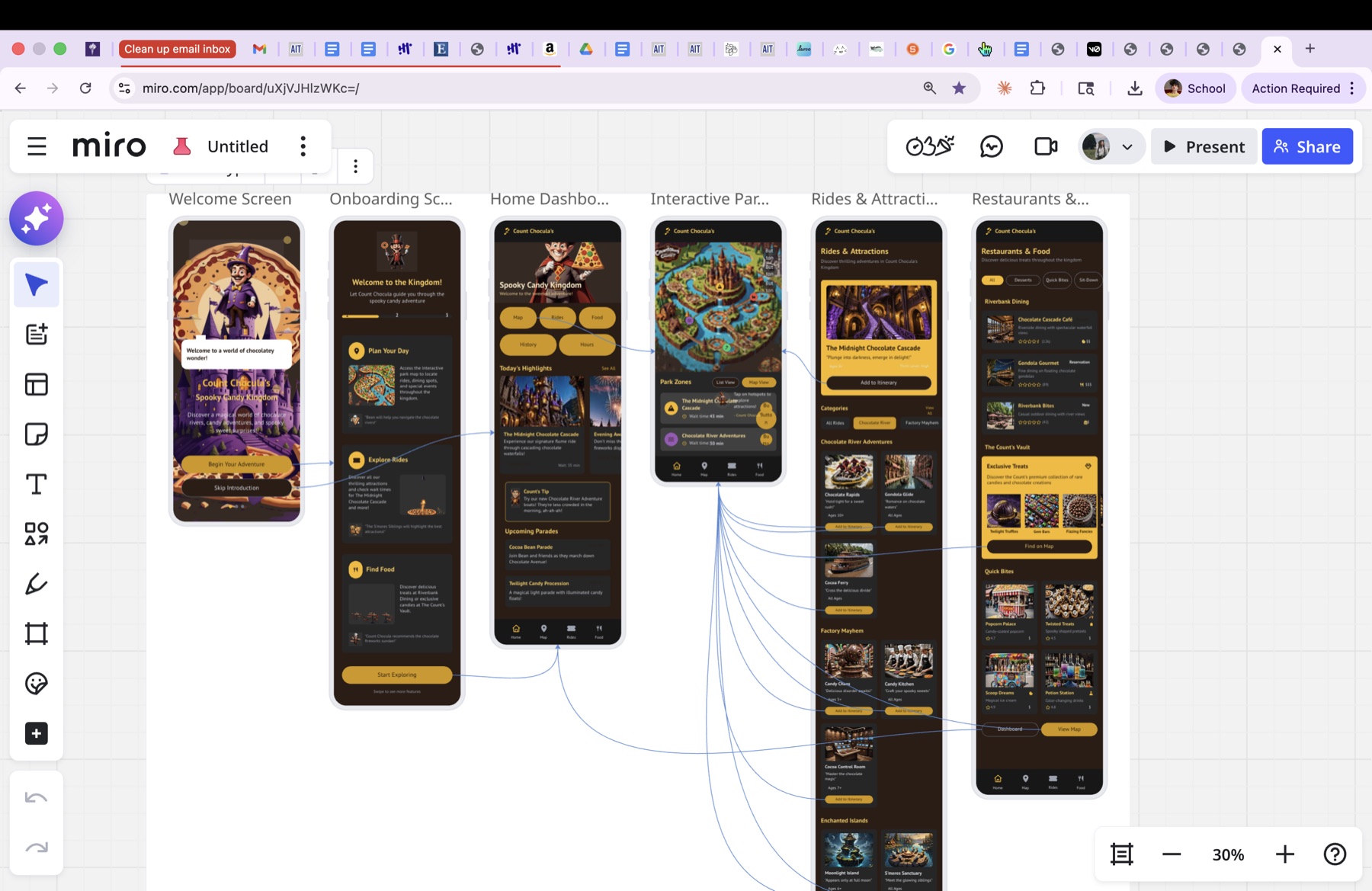
Five worked worlds form the spine, each proving a different transformation. Labubu's Enchanted Candyland (Sept 2025): fantasy-IP worldbuilding — gift-box portal, floating islands, Mermaid Lagoon, Gnome Garden. Count Chocula's Spooky Candy Kingdom (Oct 2025): a branded character becomes a coherent attraction ecosystem — the Midnight Chocolate Cascade flume, chocolate-river gondolas, chocolate storms, the Evening Awakening, Mr. CocoaBean and the S'mores Siblings — with Sora video prompting, Meshy character T-pose prompts, and Blockade Labs environments produced along the way. The Submerged luxury retail world (Jan 2026): a retail brief becomes a speculative spatial world — photoreal underwater architecture, bioluminescent flora, egg-shaped vitrines, jellyfish chandeliers — the research cluster that framed a 'discovery lab disguised as a boutique.' Empire State: A Journey Through New York (Feb 2026): historical research becomes an experiential world, from Dutch-colonial Hudson environments to Dragon Coaster 5.0's fort-to-2028-lab transformation. And the FIT Fashion Theme Park with its Stohl Machine: the institution's own story — Garment District to runway debut — rendered as attraction.
The Craft
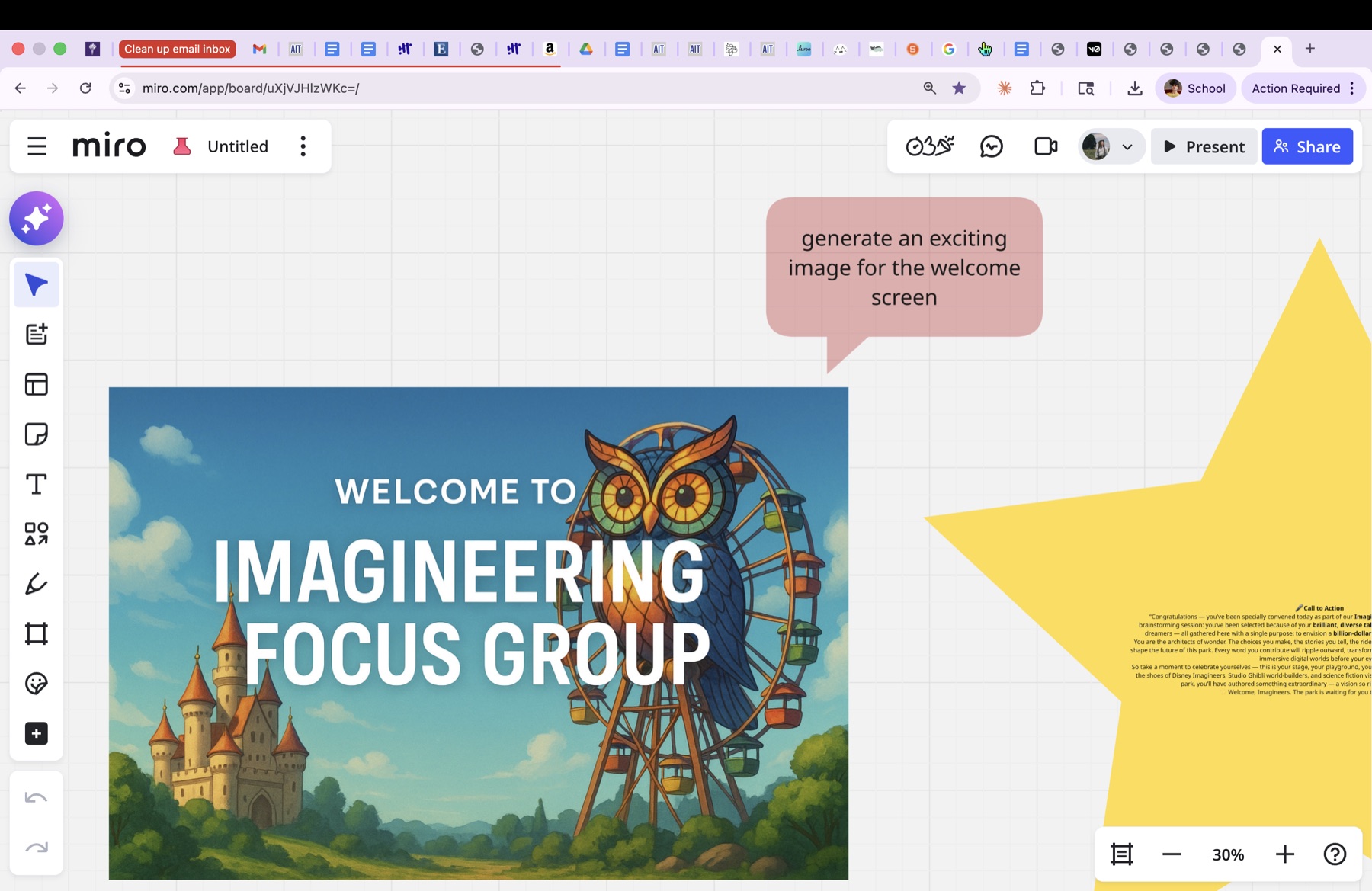
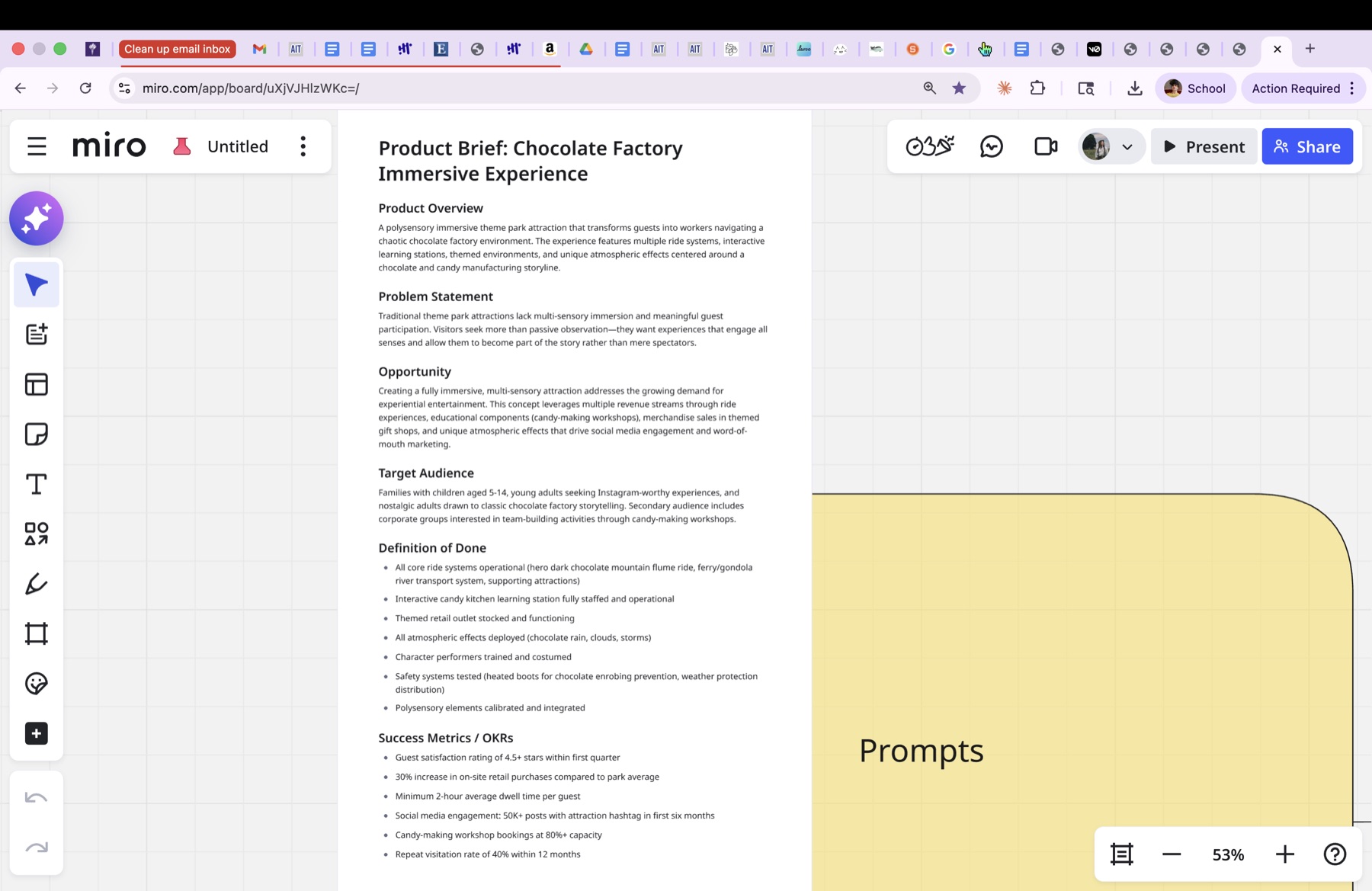
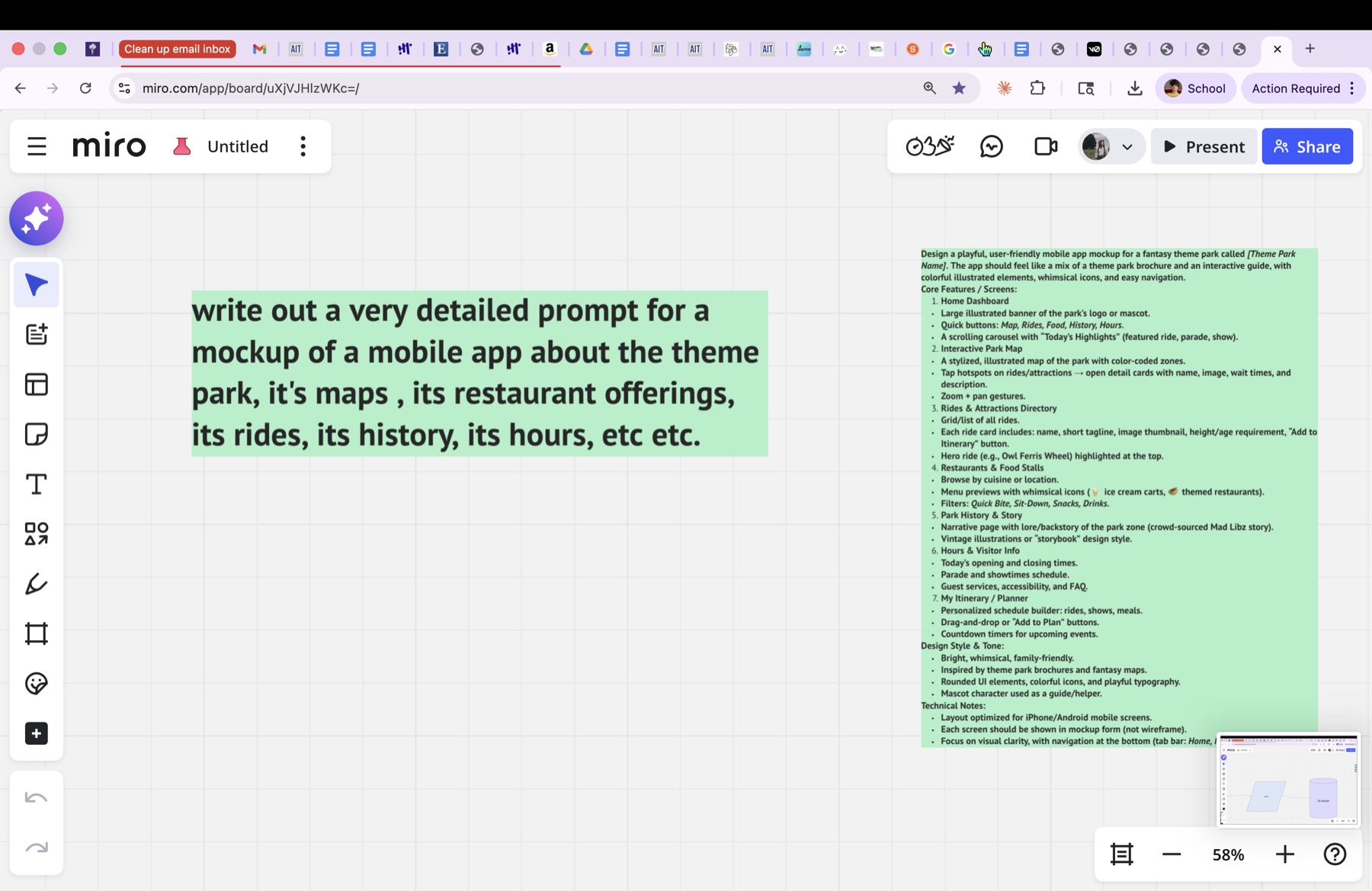
The canonical chain: ChatGPT and Claude for narrative, worldbuilding, and live generation, image generation for concept art, Sora, Runway, and Hedra for motion, Meshy for 3D assets, Blockade Labs skyboxes and Marble by World Labs for environments, CoBlocks/Delightex for assembly, and a web or app presentation layer at the end. Miro's AI prototyping tools carried the wireframes and product briefs; Dragon Coaster 5.0 pushed the method into designing 25-second shots — prompting temporal experience, not just static form. The workshop itself runs as theater: a facilitator run sheet staged in acts — the Briefing, the Seed Vision, the Salad Bowl — with the room's words flowing live through the pipeline while everyone watches. The faculty-day app, profile-driven contributions folding into the Master Synthesis, was built with Vercel V0 and remains live at words2worlds.fit.
Outcome
One method, five registers: fantasy IP, branded character ecosystems, retail briefs, historical research, and the institution's own narrative — each carried from words to a standing world by the same pipeline. The January shift toward context engineering for experiential retail is the research edge FIT can build curriculum on, and the faculty workshop proved the method transfers in a single day.
Step inside — drag to explore
Process — 22 frames